



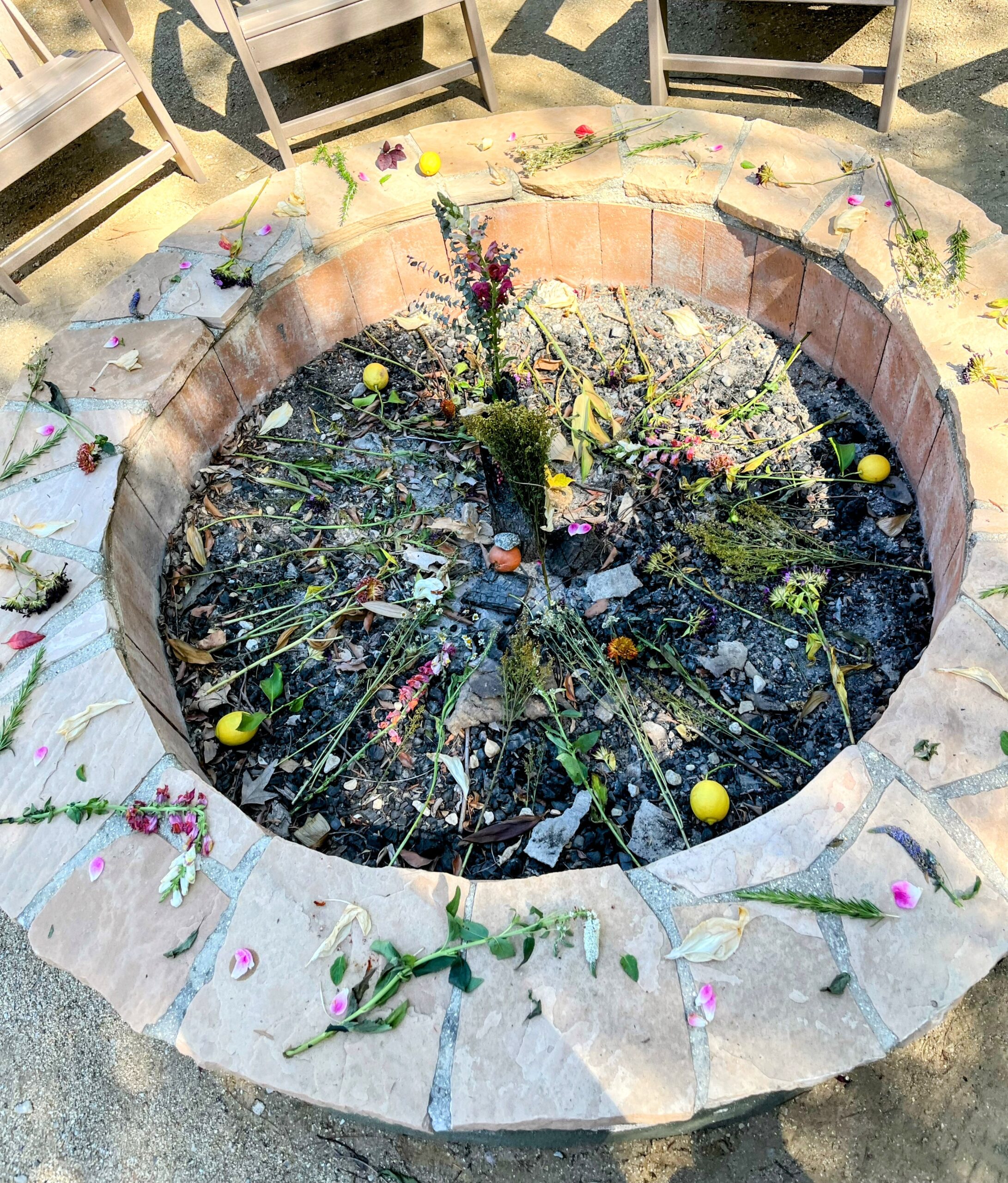
“When you bring your attention to a stone, a tree or an animal, something of its essence transmits itself to you. You can sense how still it is and in doing so the same stillness rises within you. You can sense how deeply it rests in being, completely one with what it is and where it is, in realizing this, you too come to a place or rest deep within yourself.”— Eckhart Tolle
A sense of connection and belonging is one of our deepest human desires. We long for others to know us, nurture us, and accept us in our fullness. Ecotherapy invites us to consider that our connection to nature is as essential to our well-being as connection to self and others. When people disconnect from the natural world, they often experience dissatisfaction, anxiety, depression, and dysfunction. In contrast, intentional communion with the natural world increases resilience, regulation, sense of belonging and interconnectedness with all living things.
What is Ecotherapy?
Ecotherapy is rooted in the belief that we are not separate from nature; we are part of nature. Ecotherapy views Nature as an active participant in the therapeutic process. Nature is viewed as a co-therapist, healer, protector, guide, comforter, provider, teacher, and can take on other supportive roles in the therapy work. Integrating the natural world into therapy practice can be done in many ways: animal-assisted therapy, horticulture therapy, wilderness therapy, nature meditation, eco-art therapy, and nature immersion are a few of the many forms of Ecotherapy.
What are the Intentions and Benefits of Ecotherapy?
The practice of Ecotherapy seeks to increase personal connection to nature, invite reciprocal relationship with nature, and foster dialogue with nature through experiential healing practices.
Research indicates that spending time in natural environments can reduce stress, anxiety, and depression symptoms, improve mood, and enhance emotional resilience and self-esteem.
Ecotherapy invites us to develop a relationship with nature
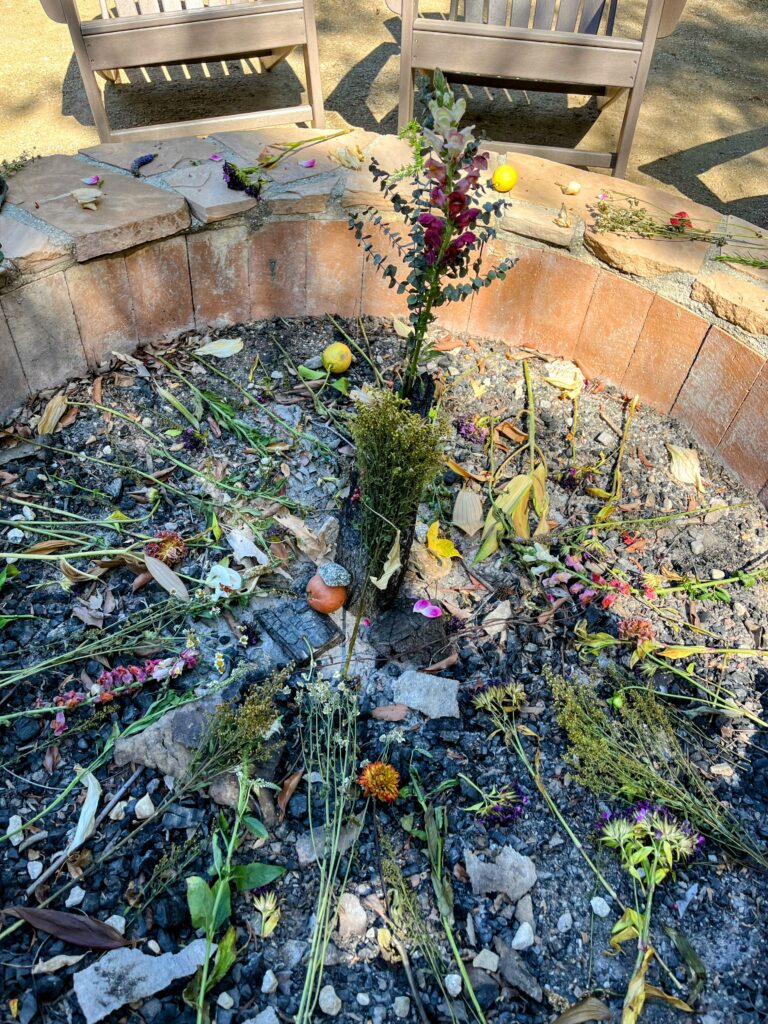
Going outside not just to be in nature, but to be with nature. We can develop this relationship by practicing mindfulness, or intentional presence with our natural surroundings. We can observe nature with curiosity and notice how it shifts our mood, emotions, and thoughts. In doing so, we cultivate a sense of safety and belonging.
Ecotherapy encourages reciprocity and gratitude practice with the living world around us. Paying attention and acknowledging what the Earth provides us daily: breath, nourishment, warmth, respite and beauty. Expressing appreciation and also considering, “What can I offer to the earth in return?” are core components of Ecotherapy practice.
Ecotherapy is an experiential practice, meaning it engages the body in movement, activating the five senses, and fostering creativity and imagination. The therapy experience is immersive, often inviting full-body participation, as opposed to simply talking about emotions or problems in a traditional office setting. This allows clients to tap into a wider range of internal and external resources and to better integrate discoveries and growth.
Ultimately, Ecotherapy strengthens connection to nature, self, others, and community offering healing in a time of growing disconnection.
There is something infinitely healing in the repeated refrains of nature – the assurance that dawn comes after night, and spring after winter. -Rachel Carson
Interested in Deepening Your Nature Connection? Consider these Questions:
How would you describe your relationship to Nature? Familiar? Estranged? Acquaintances? Intimate friends? Distant neighbors? Something else?
What’s thriving in your connection with nature?
Identify the aspects that energize or ground you.
What would you most like to shift or deepen?
Pinpoint areas you’d like to refresh or evolve.
What obstacles could hinder that change?
Think about habits, time constraints, mindset blocks.
What resources or support could boost your progress?
Consider tools, routines, communities, or guides.
How can you integrate Nature Connection into your daily routine?
What do you notice as you pause to feel the breeze, listen to birdsong, smell a flower, watch the clouds drift or stand beneath a tree?
The resources below informed this article and offer further insight into Ecotherapy:
Dave Talamo, MFT, Ecotherapist, Wilderness Guide and founder of Wilderness Reflections – https://www.wildernessreflections.com/resources/what-is-ecotherapy/
Ecotherapy: Healing With Nature in Mind. Sierra Club Books, 2009 by Linda Buzzell and Craig Chalquist
Megan Jones is a Licensed Marriage and Family Therapist and certified Ecotherapist through the TerraSoma Ecopsychology Training Institute. She grounds her practice in trauma-informed care, emphasizing somatic (body) connection, systemic awareness, and the development of a secure attachment style.
Megan has worked extensively as a group facilitator, leading mindfulness, expressive writing, grief and loss, chronic pain, and skills-based groups. Prior to entering the mental health field, she worked as a theater instructor and storyteller, and enjoys bringing imagination and storytelling into therapy spaces as well.

Highlands in Bloom and Ecotherapy
At Highlands in Bloom (HiB), we integrate ecotherapy into our clinical program as part of a holistic, evidence-based approach to healing. Research consistently shows that time in nature reduces cortisol levels, improves emotional regulation, and enhances immune function. These benefits are especially relevant for individuals navigating autoimmune conditions and mental health challenges. Our clients engage in structured nature-based interventions, including mindfulness walks, outdoor group therapy, and somatic grounding practices in natural settings. These experiences are designed to regulate the nervous system, increase resilience, and reinforce a sense of connection to self, others, and the environment.
Residential Treatment Center for Autoimmune + Mental Health
Agoura Hills, California
(805) 892-6313
Licensed by CDSS • Certified by DHCS • JCAHO Accredited