



Functional Nutrition for Mental Health and Autoimmune Conditions
Highlands in Bloom is a licensed residential treatment center in Agoura Hills, California providing whole-person care for high-functioning adults navigating mental health disorders, autoimmune conditions, chronic stress, trauma, and burnout. Our clinical program is developed and overseen by Clinical Program Director Stacy McNeal, PhD, LMFT and Medical Director and Psychiatrist Dr. Todd Hill.
Nutrition is not an amenity at Highlands in Bloom. It is a clinical pillar. Our functional nutrition program is integrated directly into the residential treatment model, grounded in the evidence that what we eat profoundly influences the nervous system, immune function, gut-brain communication, hormonal regulation, and mental health outcomes. Every meal served at Highlands in Bloom is purposefully prepared to support the physiological and psychological healing taking place in the clinical program.
Our Culinary Philosophy: Food as a Foundation for Healing
At Highlands in Bloom, we approach food as medicine. Our whole-food, vegetable-forward culinary program is built on a foundational principle: that nourishing the body at the cellular level is inseparable from healing the mind. Every ingredient, preparation method, and meal timing decision is informed by functional nutrition principles that support nervous system regulation, reduce systemic inflammation, restore gut health, and provide the micronutrient density the brain and body need to recover.
The relationship between diet and mental health is not speculative. A growing body of research demonstrates that dietary patterns significantly influence mood, cognition, stress resilience, and the trajectory of psychiatric conditions. For clients managing autoimmune conditions alongside mental health disorders, the nutritional stakes are even higher: chronic inflammation, intestinal permeability, and microbiome disruption each contribute to both autoimmune flares and psychiatric symptom burden. Addressing these through targeted nutrition is a central component of the Highlands in Bloom treatment approach.
Our meals are anti-inflammatory, nutrient-dense, and prepared by an onsite chef using seasonal, locally sourced, and where possible home-grown ingredients. Meals are crafted to align with client’s clinical needs while remaining approachable, satisfying, and deeply nourishing. Clients leave Highlands in Bloom not only having experienced therapeutic nutrition firsthand but equipped with the practical knowledge and skills to continue these practices independently at home.
Our Nutritional Focus: How We Support Mental Health and Autoimmune Healing Through Diet
Our nutritional approach is structured around three interconnected goals: reducing the physiological drivers of inflammation and immune dysregulation, restoring gut microbiome health and the gut-brain axis, and providing the nutrient substrates the nervous system requires to regulate mood, energy, and cognitive function. The following principles guide every meal, snack, and culinary education session at Highlands in Bloom.

Eliminating Potential Trigger Foods
The first phase of nutritional support involves reducing or eliminating dietary inputs that are known to drive inflammation, disrupt gut barrier integrity, or dysregulate blood sugar and cortisol in susceptible individuals. Depending on each client’s diagnosis, health history, and clinical presentation, this typically includes reducing or removing:
- Refined and added sugars, which drive inflammatory cytokine production and dysregulate blood glucose and mood
- Ultra-processed foods and artificial additives, which are associated with microbiome disruption and increased inflammatory markers
- Refined grains, which contribute to blood sugar volatility and, in gluten-sensitive individuals, intestinal permeability
- Excess sodium from processed sources, which affects blood pressure and fluid regulation
- Conventional red meat, prioritizing instead grass-fed, organic, and wild-caught protein sources with more favorable fatty acid profiles

Emphasizing Nutrient-Dense Whole Foods
The core of the Highlands in Bloom nutritional model is building meals from whole, minimally processed, nutrient-dense foods that provide the vitamins, minerals, antioxidants, polyphenols, and essential fatty acids the brain and immune system require to function and heal. Our chef-prepared meals emphasize:
- A wide variety of colorful vegetables, particularly leafy greens, cruciferous vegetables, and deeply pigmented produce rich in antioxidants and phytonutrients
- Organic, grass-fed, and wild-caught quality proteins that provide complete amino acid profiles for neurotransmitter synthesis and tissue repair
- Wild-caught seafood, particularly fatty fish rich in EPA and DHA omega-3 fatty acids shown to reduce neuroinflammation and support mood regulation
- Fermented foods including kimchi, sauerkraut, and yogurt to support microbiome diversity and gut-brain axis health
- Vegetable broth, which provides gut-supporting minerals, antioxidants, and anti-inflammatory compounds that support digestive health and overall gut function.
- Healthy fats from whole-food sources including avocado, extra virgin olive oil, nuts, and seeds that support cellular membrane health and anti-inflammatory signaling

Supporting Healthy Lifestyle Integration
Nutrition at Highlands in Bloom does not exist in isolation from the broader residential program. Meal timing is aligned with circadian rhythm principles to support hormonal regulation and sleep-wake cycles. Hydration, herbal teas, and functional beverages are integrated throughout the day. Nutritional education is woven into group programming, giving clients the clinical context and practical knowledge to understand why they are eating as they are and how to sustain these practices after discharge.
Our sourcing philosophy is equally practical: our chef draws from seasonal organic produce sourced from the local Agoura Hills farmers market alongside readily available ingredients from everyday grocers including Costco, and Ralphs. This deliberate approach ensures that what clients learn and experience at Highlands in Bloom is directly reproducible in their daily lives at home.
Ingredients and Sourcing

The Essence of Quality Ingredients and Sourcing
At Highlands in Bloom, ingredient sourcing is not an afterthought. It is a clinical decision. The nutritional value, purity, and origin of every ingredient served in our residential program reflects the same intentionality that drives every other component of treatment. What follows are the sourcing and ingredient principles that define the Highlands in Bloom culinary experience.
- Home Grown
- Daily Smoothies
- Organic Protein
- Fermented Foods
- Gut Health
- Organic Products
Home Grown
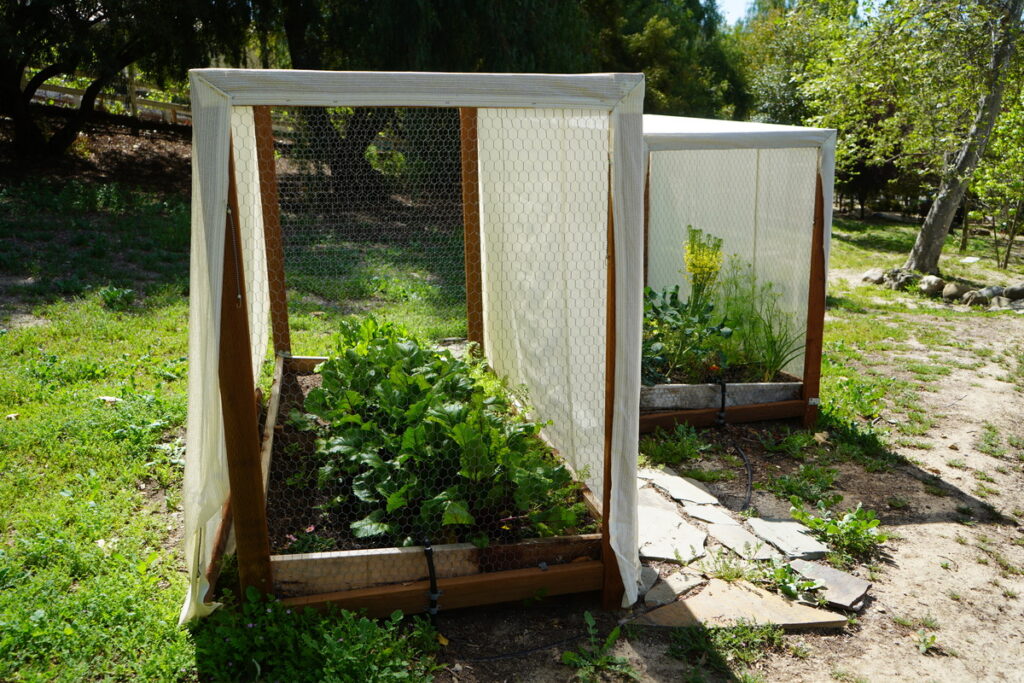
Some of the herbs, leafy greens, fruits, and vegetables served in our kitchen are grown directly on the Highlands in Bloom property. Our onsite garden beds supply the kitchen with fresh produce harvested at peak nutritional density, including herbs, seasonal vegetables, and fruits grown without synthetic pesticides or artificial inputs. Home-grown ingredients provide measurably higher concentrations of phytonutrients, antioxidants, and volatile aromatic compounds than commercially distributed produce that has traveled long distances and lost nutritional value in transit. Clients who eat from the garden experience a direct and tangible connection between the land, their food, and their healing.
Daily Smoothies
Every client at Highlands in Bloom receives a daily smoothie prepared fresh by our onsite chef. Smoothies at Highlands in Bloom are clinical nutritional tools, not simply beverages. Each recipe is thoughtfully formulated to deliver concentrated micronutrients, anti-inflammatory compounds, antioxidants, and protein in an easily absorbable and digestively accessible form, ensuring that every client receives meaningful nutritional support regardless of appetite, energy levels, or digestive sensitivity. For clients whose gut health is compromised, whose appetite is reduced, or whose physical symptoms make eating a full meal difficult, the daily smoothie provides a reliable and gentle nutritional anchor that supports consistent nourishment throughout the residential stay. Every ingredient is purposefully selected to support the specific clinical needs of the population we serve, including brain health, immune regulation, nervous system support, and inflammation reduction, with recipes that reflect both the clinical philosophy and the seasonal whole-food sourcing approach of our kitchen.
Organic Protein
All protein sources served at Highlands in Bloom are organic, grass-fed, pasture-raised, or wild-caught when possible. This sourcing standard is clinically meaningful. Conventionally raised animal products contain significantly different fatty acid profiles, hormone residues, and antibiotic loads compared to organic and grass-fed alternatives. Grass-fed meats provide higher concentrations of conjugated linoleic acid (CLA) and omega-3 fatty acids that support anti-inflammatory activity and nervous system health. Wild-caught seafood provides EPA and DHA omega-3 fatty acids with the most direct clinical evidence for reducing neuroinflammation and supporting mood regulation. Pasture-raised eggs provide complete amino acid profiles and choline essential for neurotransmitter synthesis and cognitive function.
Fermented Foods
Fermented foods are incorporated in the Highlands in Bloom kitchen, prepared in-house and incorporated throughout meals and snacks. Fermented foods including miso in the forms of soups and glazes, kimchi, sauerkraut, and pickles introduce beneficial microorganisms directly into the gut microbiome, supporting the microbial diversity that is foundational to gut-brain axis health, immune regulation, and neurotransmitter production. The clinical evidence for fermented food consumption and mental health outcomes is growing, with research demonstrating measurable effects on anxiety, depression, and inflammatory markers.
Gut Health
Every component of the Highlands in Bloom nutritional program is designed with gut health as a foundational clinical priority. The gut microbiome governs immune function, neurotransmitter production, systemic inflammatory activity, and the gut-brain axis communication that directly affects mood, cognition, and nervous system regulation. Meals are specifically constructed to provide prebiotic fiber that feeds beneficial gut bacteria, probiotic fermented foods that introduce beneficial organisms, gut-barrier-supporting compounds including bone broth collagen and glycine, and anti-inflammatory ingredients that reduce the intestinal inflammation driving both autoimmune and mental health symptom burden. For clients managing IBD, Crohn’s disease, celiac disease, or other gut-related autoimmune conditions, gut-supportive nutrition is a direct component of the clinical treatment plan.
Organic Products
At Highlands in Bloom, our sourcing approach is intentional. Our chef prioritizes organic produce, leafy greens, oils, and pantry staples wherever available, sourcing from the organic sections of everyday grocers including Costco and Ralphs and the local Agoura Hills farmers market, when time permits. When organic options are unavailable or inaccessible, we choose the best available alternative without compromising the overall quality and integrity of the meal. Organic produce is grown without synthetic pesticides, herbicides, or genetically modified inputs. Reducing dietary pesticide exposure is a clinically relevant consideration for clients managing gut dysbiosis, autoimmune conditions, hormonal dysregulation, and neurological symptoms, and it is a standard we hold not because it is always perfectly achievable but because the intention behind every sourcing decision matters. Our approach is also designed to be realistic and reproducible, demonstrating to clients that thoughtful, organic-first grocery shopping is achievable through the same everyday stores most people already use at home.
Wellness Ingredients
The second pillar of the Highlands in Bloom sourcing philosophy is accessibility and transparency. Our chef sources ingredients from everyday grocers including Costco and Ralphs, supplemented by seasonal finds from the local Agoura Hills farmers market and as much as possible from our own onsite garden. This approach is intentional. The goal is not an unattainable standard of sourcing that clients cannot replicate at home but a demonstration that clinically meaningful, anti-inflammatory, whole-food nutrition is achievable through the same stores most people already shop at. What clients learn and experience at the table at Highlands in Bloom is directly reproducible in their own kitchens after discharge. What follows are the ingredient categories that define this layer of our nutritional program.
- Superfoods
- Gluten-Free Options
- Vegan Choices
- Healthy Fats
- Antioxidant-Rich Foods
- Fiber-Rich Foods
Superfoods
The term superfood is widely used but clinically meaningful when applied with precision. At Highlands in Bloom, superfoods refer to a specific category of whole-food ingredients with exceptional concentrations of bioactive compounds including polyphenols, antioxidants, essential fatty acids, adaptogens, and micronutrients that produce measurable clinical effects at achievable dietary doses. Superfoods incorporated into daily meals and smoothies at Highlands in Bloom include wild blueberries providing some of the highest anthocyanin concentrations of any food with documented effects on neuroplasticity and cognitive function, goji berries providing zeaxanthin and immune-supporting polysaccharides, moringa providing exceptionally dense micronutrient content including iron, calcium, and vitamins A, C, and E, cacao providing flavanols with documented effects on cardiovascular health and mood, chia and hemp seeds providing complete protein and anti-inflammatory omega-3 fatty acids, and turmeric providing curcuminoids with one of the most extensive evidence bases of any botanical compound for anti-inflammatory activity. These ingredients are not marketing additions to the menu. They are clinically selected for their relevance to the mental health and autoimmune population we serve.
Gluten-Free Options
Some meals at Highlands in Bloom are prepared with gluten-free options available as a standard feature of the nutritional program. For clients managing celiac disease, non-celiac gluten sensitivity, Hashimoto’s thyroiditis, psoriasis, or other autoimmune conditions where gluten exposure is clinically relevant, the removal of dietary gluten is a direct component of the treatment plan. Research consistently demonstrates that gluten consumption in individuals with celiac disease and certain other autoimmune conditions drives intestinal permeability, immune activation, and systemic inflammation that worsens both physical and psychological symptom burden. Beyond diagnosed conditions, many of our clients managing anxiety, brain fog, fatigue, and mood dysregulation find meaningful clinical improvements with gluten reduction. Our chef prepares gluten-free grains including quinoa, brown rice, buckwheat, and millet as staple carbohydrate sources, and all sauces, dressings, and preparations are evaluated for gluten-containing inputs.
Vegan Choices
Plant-forward and fully vegan meal options are available at Highlands in Bloom, reflecting both the clinical evidence for plant-based dietary patterns in reducing systemic inflammation and supporting gut microbiome diversity, and the practical reality that many of our clients come with established dietary preferences or ethical commitments that we accommodate without compromise to nutritional quality. Vegan meals at Highlands in Bloom are clinically designed to ensure complete amino acid availability through complementary plant protein combinations, adequate omega-3 fatty acid provision through algae-based sources and ALA-rich seeds, sufficient B12 and vitamin D through fortified foods and supplementation where indicated, and iron and zinc availability through preparation methods that optimize absorption. Our chef creates vegan meals that are nutritionally complete, anti-inflammatory, and genuinely satisfying, demonstrating that plant-based eating within a clinical nutritional framework is neither restrictive nor nutritionally compromised.
Healthy Fats
Fat is not avoided at Highlands in Bloom. It is prioritized as one of the most clinically significant macronutrients in the program. The quality and type of dietary fat consumed directly influences neuroinflammation, cellular membrane integrity, hormone production, nervous system myelination, and the resolution of systemic inflammation. Every meal at Highlands in Bloom is built with healthy fats at the center. Avocado oil is used as the primary cooking oil and Extra Virgin Olive oil is used as the finishing fat, providing oleocanthal with documented anti-inflammatory activity comparable to low-dose ibuprofen and oleic acid supporting cellular membrane health. Avocado provides monounsaturated fats, potassium, and folate supporting cardiovascular health and neurotransmitter production. Wild-caught fatty fish provides EPA and DHA omega-3 fatty acids with the most direct evidence base for neuroinflammation reduction and mood regulation. Nuts and seeds provide a range of fatty acids, magnesium, zinc, and vitamin E supporting nervous system function and antioxidant defense. Coconut oil is used selectively for its medium-chain triglyceride content providing a rapidly available energy substrate for brain function. The deliberate inclusion of these fat sources in every meal is a clinical nutritional strategy, not a culinary preference.
Antioxidant-Rich Foods
Oxidative stress is a primary driver of both neuroinflammation and autoimmune disease activity. When the body’s antioxidant defense systems are overwhelmed by chronic stress, poor diet, environmental toxin exposure, and disease burden, reactive oxygen species damage cellular membranes, DNA, and the mitochondria that produce cellular energy. Antioxidant-rich foods provide the enzymatic cofactors and direct antioxidant compounds that neutralize this oxidative burden and support the body’s own antioxidant defense systems. At Highlands in Bloom, antioxidant density is a primary criterion in ingredient selection. Deeply colored vegetables and fruits including beets, red cabbage, purple sweet potato, blueberries, cherries, and pomegranate provide anthocyanins and polyphenols with documented neuroprotective and anti-inflammatory effects. Cruciferous vegetables including broccoli, cauliflower, and kale provide sulforaphane that activates the Nrf2 antioxidant pathway. Fresh herbs including rosemary, thyme, and oregano provide exceptionally concentrated antioxidant compounds relative to their serving size. Green tea and herbal infusions provide catechins and polyphenols with well-documented antioxidant and anti-inflammatory activity. Every meal is a deliberate delivery of antioxidant compounds designed to reduce the oxidative burden that sustains both mental health and autoimmune symptom cycles.
Fiber-Rich Foods
Dietary fiber is among the most clinically important and chronically under-consumed nutrients in the modern Western diet, and its role in mental health and autoimmune recovery is fundamental. Fiber feeds the beneficial bacteria of the gut microbiome, enabling the production of short-chain fatty acids including butyrate that maintain intestinal barrier integrity, regulate immune function, reduce systemic inflammation, and directly support brain health and mood regulation through the gut-brain axis. Low fiber intake is consistently associated with gut dysbiosis, increased intestinal permeability, elevated inflammatory markers, and worsened mental health outcomes. At Highlands in Bloom, most meals are designed to deliver high dietary fiber through a variety of sources including legumes and lentils providing prebiotic fiber that selectively feeds beneficial bacterial species, vegetables of all varieties providing insoluble and soluble fiber supporting transit, microbiome diversity, and bile acid metabolism, whole intact grains including quinoa, oats, and brown rice providing beta-glucan and resistant starch with documented immune-modulating effects, seeds including chia, and flax providing soluble gel-forming fiber that supports gut barrier health and blood sugar stability, and fruits including apples, berries, and pears providing pectin and polyphenols that together support microbiome diversity and anti-inflammatory signaling. The clinical target at Highlands in Bloom is not simply adequate fiber but a diversity of fiber types from a wide variety of whole food sources that mirrors the dietary patterns associated with the most robust and diverse microbiomes in the research literature.


From Source to Plate: Purity in Every Bite
The third layer of the Highlands in Bloom sourcing philosophy is purity and intentionality from the moment an ingredient is selected to the moment it reaches the plate. Our chef shops at Costco, Ralphs, and the local Agoura Hills farmers market with a consistent set of quality criteria that prioritize clean, minimally processed, and where possible organically grown ingredients. Combined with what we grow on our own property, this approach ensures that every meal served is as free from unnecessary chemical inputs, artificial additives, and industrial processing as everyday sourcing allows. The following principles guide every sourcing and preparation decision in our kitchen.
- Plant-Based Nutrition
- Free from synthetic Pesticides
- Healthy Soil, Healthy Food, Healthy Body
- Sustainable
Plant-Based Nutrition
Plant-based nutrition is a cornerstone of every meal at Highlands in Bloom regardless of whether a client follows a fully vegan or omnivorous dietary pattern. Every plate is built on a foundation of vegetables, fruits, legumes, whole grains, nuts, seeds, and herbs that provide the fiber, phytonutrients, antioxidants, and prebiotic compounds that support gut health, immune regulation, and the anti-inflammatory nutritional environment central to our clinical program. Our chef selects plant-based ingredients with the same practical eye as any home cook shopping at Costco or Ralphs, choosing organic options where available and affordable, prioritizing seasonal produce from the farmers market when accessible, and supplementing with ingredients grown in our own onsite garden whenever possible. The result is a plant-forward table that is nutritionally dense, clinically purposeful, and practically achievable for any client returning to their own home kitchen after discharge.
Free from Synthetic Pesticides
Where possible, Highlands in Bloom prioritizes produce that is free from synthetic pesticides, sourcing organic options from the farmers market, the organic sections of Costco and Ralphs, and our own onsite garden which is grown without synthetic inputs. We recognize that fully organic sourcing across all ingredients is not always practical or available at everyday grocery stores, and we do not overstate what we do. What we do commit to is making organic the default choice wherever it is accessible and using the Environmental Working Group’s Clean Fifteen and Dirty Dozen as a practical guide for prioritizing organic purchases on the produce items that carry the highest conventional pesticide loads. Reducing synthetic pesticide exposure in the diet is clinically relevant for our population because several commonly used agricultural chemicals have documented effects on gut microbiome disruption, endocrine function, and neurological health that are directly relevant to the autoimmune and mental health conditions we treat.
Healthy Soil, Healthy Food, Healthy Body
The nutritional quality of plant foods is inseparable from the health of the soil in which they are grown. Industrially farmed soils depleted of organic matter, microbial diversity, and mineral content produce crops with measurably lower concentrations of vitamins, minerals, and phytonutrients than those grown in biologically active, well-mineralized soils. Our onsite garden is maintained with soil health as a foundational priority, using compost, organic matter, and practices that support the soil microbiome and the nutrient density of everything we grow. When we source from the farmers market we look for growers who share this approach. When we source from Costco and Ralphs we choose organic options that are most likely to reflect higher soil quality standards. The principle is simple and it is one we share with clients as part of nutritional education: the health of the food begins in the ground, and choosing ingredients grown in healthier soil is one of the most meaningful steps available toward genuinely nourishing nutrition.
Sustainable
Sustainability at Highlands in Bloom means sourcing and preparing food in a way that is responsible, waste-conscious, and as aligned as possible with practices that support long-term environmental and human health. In practice this means using as much of each ingredient as possible with minimal waste, with vegetable trim regularly cooked down into stock that forms the base of our daily broths, choosing seasonal produce that does not require energy-intensive transportation or out-of-season production, growing food on our own property to reduce the environmental footprint of our kitchen, and building a nutritional program that is replicable by clients in their own daily lives using ingredients from ordinary grocery stores rather than specialty suppliers most people cannot access or afford. Sustainability for us is not an aspirational brand position. It is a practical commitment to making the healthiest possible choices within the reality of everyday sourcing.
Daily Dining: What Clients Experience at the Table
Meals at Highlands in Bloom are prepared fresh daily by our onsite chef and served in a residential dining environment that supports connection, mindfulness, and intentional nourishment. The dining experience is structured to mirror the clinical program’s circadian rhythm principles, with meals and snacks timed to support blood sugar stability, cortisol rhythms, and sleep-wake regulation throughout the day.
The following reflects a representative daily dining experience. Menus rotate seasonally based on ingredient availability and the chef’s curation of what is fresh, therapeutic, and delicious.

Breakfast
Breakfast is designed to provide protein, healthy fat, and moderate complex carbohydrates to stabilize blood sugar from the morning through midday and support neurotransmitter synthesis for cognitive clarity and mood regulation. A representative breakfast includes:
- Dragon fruit and almond smoothie, providing antioxidants, vitamin C, and healthy fats
- Egg white omelet with fresh salsa, providing complete protein and anti-inflammatory vegetables
- Fresh seasonal fruit
- Herbal tea or black coffee, unsweetened

Lunch
Lunch emphasizes anti-inflammatory proteins, fermented and probiotic-rich components, and a variety of vegetables to support gut health, sustained energy, and afternoon cognitive function. A representative lunch includes:
- Wild salmon with mandolin slaw and fennel, providing EPA and DHA omega-3s, protein, and probiotic-supporting fiber
- Asian salad with roasted nuts and house dressing, providing healthy fats and phytonutrients
- Grilled kabocha squash with miso soup, providing beta-carotene, prebiotic fiber, and fermented gut-supporting compounds
- Goji and hawthorn iced tea, providing antioxidants and cardiovascular-supportive polyphenols

Snacks
Snacks are provided between meals to support blood sugar stability and prevent the cortisol spikes associated with undereating. Representative snacks include:
- Parmesan cheese, providing protein and calcium
- Mixed raw nuts, providing healthy fats, magnesium, and zinc
- Fresh seasonal fruit

Dinner
Dinner emphasizes vegetables, easy-to-digest proteins, and warming, grounding ingredients that support evening parasympathetic activation and sleep preparation. A representative dinner includes:
- Vegetable stir fry with carrots, onions, bell pepper, broccoli, asparagus, lemongrass, garlic, ginger, and sesame oil, providing a broad phytonutrient profile and anti-inflammatory aromatics
All meals are prepared without refined sugars, artificial additives, or ultra-processed components. Clients with food allergies, intolerances, or specific dietary requirements including celiac disease, IBD, or other autoimmune conditions with dietary implications are accommodated individually.
Our Vegetable Garden: From the Property to the Plate
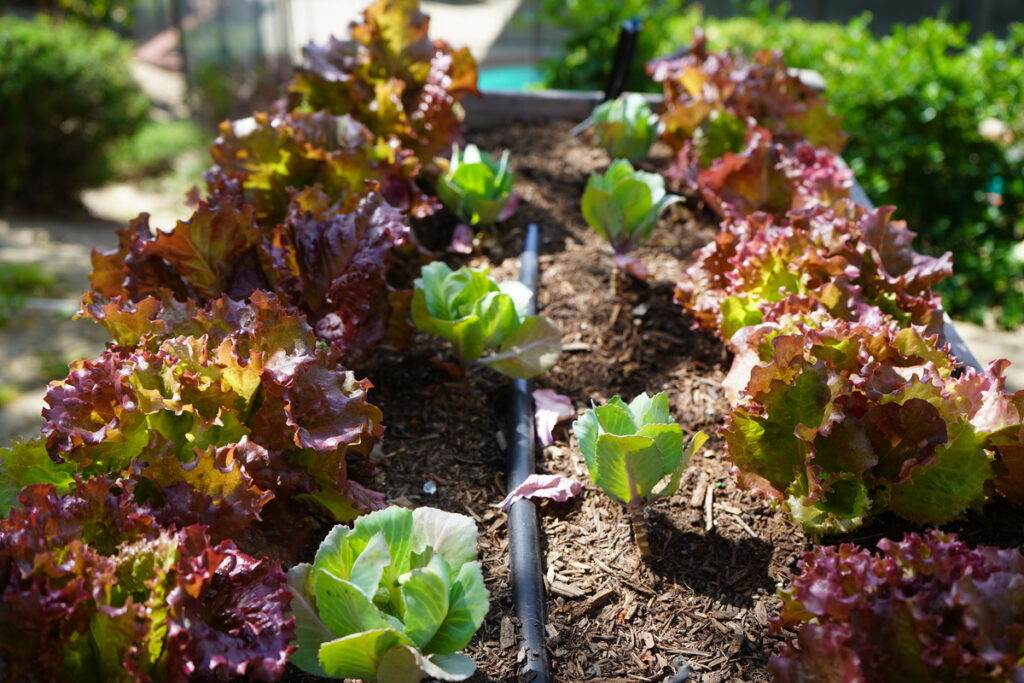
Highlands in Bloom maintains onsite garden beds that supply the kitchen with fresh herbs, leafy greens, fruits, and vegetables grown on the property. The garden is a living component of the therapeutic environment, connecting clients to the source of their nourishment and providing a grounding, sensory experience that complements the clinical program.
What We Grow

Herbs
Our herb garden supplies the kitchen with fresh aromatics and medicinal plants harvested daily:
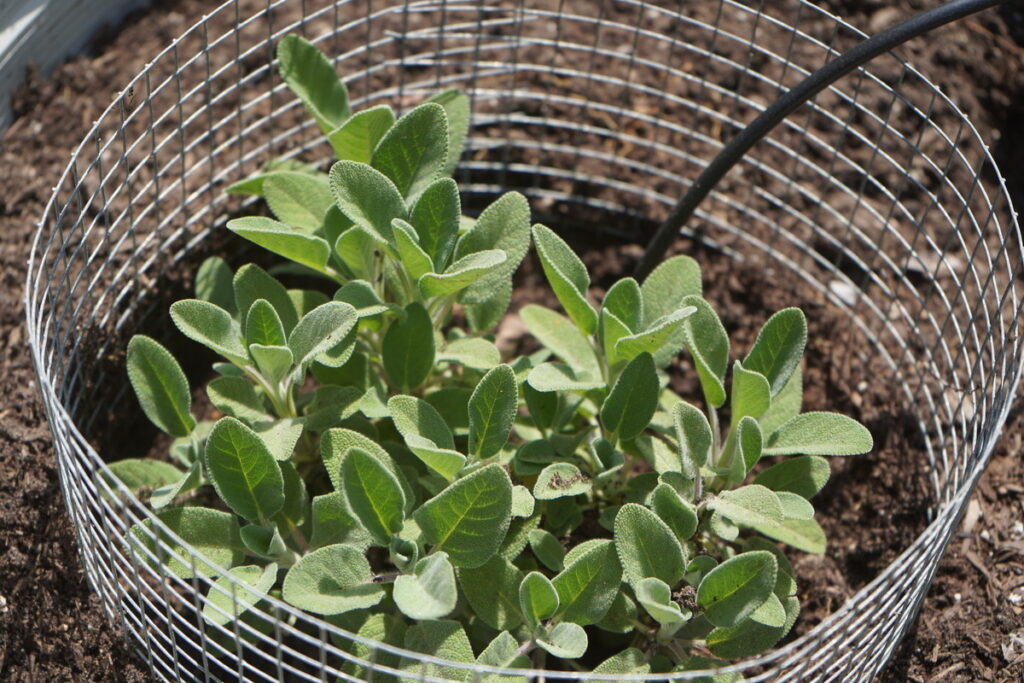
- Thyme, rosemary, parsley, cilantro, mint, oregano, tarragon, basil, and microgreens
Fresh herbs provide essential oils, antioxidants, and anti-inflammatory compounds that significantly increase the therapeutic value of meals compared to dried alternatives.
Leafy Greens
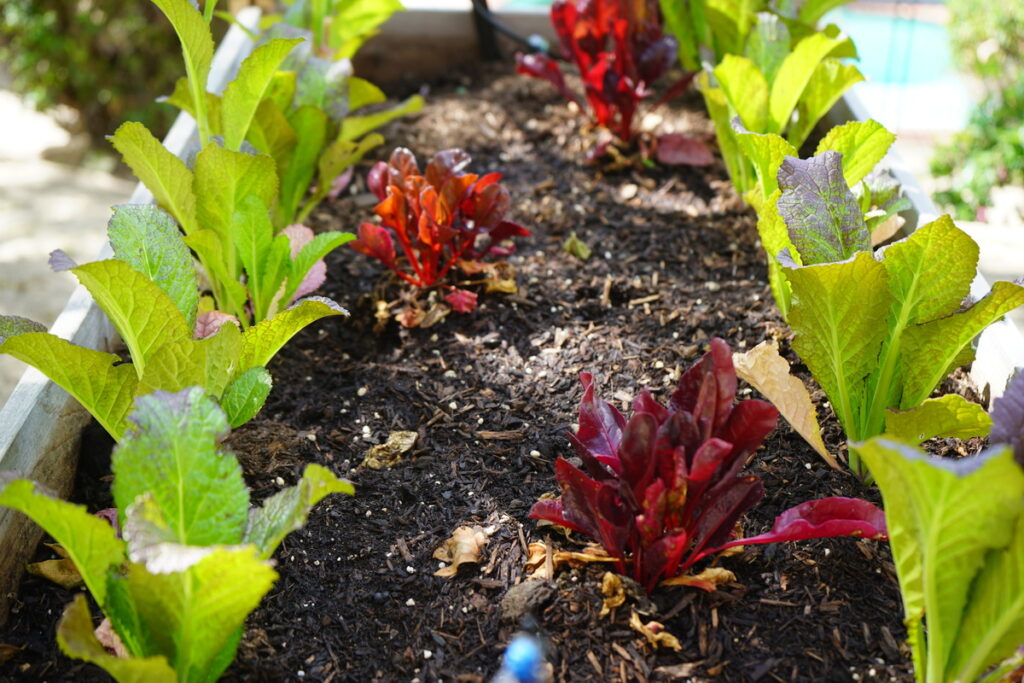
Leafy greens including red lettuce, cabbage, and seasonal varieties are grown onsite and harvested at peak nutritional density for use in salads, smoothies, and cooked preparations.
Fruits and Vegetables
Seasonal fruits and vegetables grown onsite include:
- Tomatoes, lemon, oranges, nectarines, onions, green peppers, cucumbers, broccoli, strawberries, carrots, radish, grapes, pomegranate, avacado, and beets
These provide a broad spectrum of phytonutrients including lycopene, quercetin, vitamin C, folate, and betalains from beets, which have documented anti-inflammatory and detoxification-supporting properties.
Onsite Olive Oil
From Grove to Bottle: Pure, Onsite-Crafted Olive Oil
- Harvesting Olives: Collect ripe olives from olive trees
- Washing: Clean the olives to remove dirt and leaves
- Crushing: Crush the olives, including pits, to create a paste
- Malaxing (Mixing): Stir the paste slowly to help release the oil droplets
- Separating Solids and Liquids: Spin the paste in a centrifuge or press it to separate the oil from the solid residue and water
- Collecting the Oil: Extract the olive oil that comes out of the separation process
- Filtering (Optional): Filter the oil to remove any remaining solid particles
- Storing: Store the oil in a dark, cool place in air-tight containers to preserve its quality

Exploring Seasonal Foods: Nutritional Education as Clinical Support
Savor, Connect, Nourish
Food education is a structured component of the Highlands in Bloom residential experience. Understanding why we eat the way we eat is as clinically valuable as the eating itself. Clients participate in guided educational sessions on seasonal eating, anti-inflammatory nutrition, the gut-brain connection, and the relationship between specific foods and mental health and autoimmune outcomes.
These sessions are designed to be approachable and practical regardless of prior nutritional knowledge. They incorporate real food, sampling, and interactive discussion to make nutritional concepts tangible and memorable. Topics covered include:
- The science of food as medicine: how nutrients directly influence neurotransmitter synthesis, inflammation, and nervous system regulation
- Seasonal and anti-inflammatory eating principles clients can apply independently at home
- Reading ingredients and understanding food quality when shopping at everyday grocery stores
- Simple meal preparation techniques that preserve nutritional integrity and make whole-food cooking accessible
- The gut-brain axis: understanding how microbiome health influences mood, cognition, and immune function
Sessions include food, tea, and hands-on engagement. No prior experience with nutrition or cooking is required.
The Barn
Meet Our Animals
- Mini Cows
- Chickens
- Goat
- Pig

Kitchen Take Homes
From Our Kitchen to Your Home
- Bottled Kimchi
- Bottled Pickles
- Bottled Ginger Dressing
- Buy Produce
FAQs
Is nutrition really part of the clinical treatment program at Highlands in Bloom?
Yes. Nutrition at Highlands in Bloom is a clinical pillar, not an amenity. Every meal served in our residential program is prepared with the specific physiological and psychological needs of our clients in mind. Nutritional counseling, daily chef-prepared meals, herbal supplementation, medicinal tea, and meal preparation education are all standard components of the residential experience.
How does nutrition support mental health recovery?
Diet directly influences mental health through multiple well-documented clinical mechanisms including gut microbiome composition and neurotransmitter production, systemic inflammatory levels and their effects on brain chemistry, blood sugar regulation and its impact on mood and energy, HPA axis function and cortisol regulation, and the availability of specific micronutrients required for serotonin, dopamine, and GABA synthesis. At Highlands in Bloom, anti-inflammatory, nutrient-dense whole-food nutrition is provided as a direct physiological support to the clinical therapeutic work happening in individual therapy, group programming, and evidence-based modalities.
How does nutrition support autoimmune condition management?
Autoimmune conditions including lupus, rheumatoid arthritis, fibromyalgia, Hashimoto’s thyroiditis, IBD, multiple sclerosis, and psoriasis all involve chronic systemic inflammation and immune dysregulation that dietary patterns directly influence. Anti-inflammatory nutrition reduces the inflammatory cytokine burden driving autoimmune disease activity, supports gut barrier integrity that prevents immune-activating compounds from entering the bloodstream, and nourishes the microbiome whose diversity is foundational to healthy immune regulation. Learn more on our Autoimmune Conditions page.
What does a typical day of meals look like at Highlands in Bloom?
Meals at Highlands in Bloom are prepared fresh daily by our onsite chef and timed to support blood sugar stability, cortisol rhythms, and sleep-wake regulation. A representative day includes a therapeutic smoothie and protein-forward breakfast such as an egg white omelet with fresh salsa and seasonal fruit, a lunch centered on wild-caught protein with fermented and probiotic-rich components such as wild salmon with slaw and miso soup, snacks including raw nuts, cheese, and seasonal fruit to maintain blood sugar stability between meals, and a lighter vegetable-forward dinner such as a stir fry with anti-inflammatory aromatics including ginger, garlic, and lemongrass. All meals are prepared without refined sugars, artificial additives, or ultra-processed ingredients.
Does Highlands in Bloom accommodate dietary restrictions and food allergies?
Yes. Clients with food allergies, intolerances, and specific dietary requirements including celiac disease, IBD, and other autoimmune conditions with dietary implications are accommodated individually. Gluten-free options are considered in our meal selections. Vegan and plant-based options are available daily. Clients are asked to share their dietary needs with the admissions team prior to arrival so that the chef can prepare appropriately from day one.
Where does Highlands in Bloom source its ingredients?
Our chef sources ingredients from everyday grocers including Costco and Ralphs, supplemented by seasonal produce from the local Agoura Hills farmers market and as much as possible from our own onsite garden. This practical, accessible sourcing approach is intentional. The goal is to demonstrate that clinically meaningful, anti-inflammatory whole-food nutrition is achievable through the same stores most people already shop at, ensuring that what clients experience at the table at Highlands in Bloom is directly reproducible in their own kitchens after discharge.
Does Highlands in Bloom grow its own food?
Yes. Highlands in Bloom maintains onsite garden beds on the Agoura Hills property that supply the kitchen with fresh herbs, leafy greens, fruits, and vegetables grown without synthetic pesticides or artificial inputs. The garden produces thyme, rosemary, dill, parsley, cilantro, mint, lemongrass, basil, and microgreens alongside seasonal vegetables including tomatoes, cucumbers, broccoli, carrots, beets, and strawberries. Home-grown ingredients are harvested and incorporated into meals and smoothies daily. The garden also serves as a therapeutic component of the residential environment, connecting clients to the source of their nourishment.
What is the gut-brain axis and why does it matter for treatment?
The gut-brain axis is the bidirectional communication network between the gastrointestinal system and the central nervous system, operating through the vagus nerve, the enteric nervous system, immune signaling, and the production of neurotransmitters by gut bacteria. Approximately 90 to 95 percent of the body’s serotonin is produced in the gut. When the gut microbiome is disrupted by poor diet, chronic stress, or inflammation, neurotransmitter production, immune regulation, and brain function are all impaired. Supporting the gut-brain axis through daily anti-inflammatory, fiber-rich, fermented food-forward nutrition is one of the most direct clinical nutritional strategies available for both mental health and autoimmune recovery.
Are fermented foods provided at Highlands in Bloom?
Yes. Fermented foods are prepared in-house and incorporated into meals and snacks throughout the residential stay. Kimchi, sauerkraut, miso, and pickles are regular features of the kitchen, providing beneficial microorganisms that support gut microbiome diversity, immune regulation, and gut-brain axis health.
What nutritional education do clients receive during their stay?
Nutritional education is a structured component of the Highlands in Bloom residential experience delivered through group programming and individual nutritional education groups. Topics include the science of food as medicine, seasonal and anti-inflammatory eating principles, understanding food quality when shopping at everyday grocery stores, simple meal preparation techniques, and the gut-brain axis connection between microbiome health, mood, and immune function. Sessions include food, tea, and hands-on engagement and are designed to be practical and accessible regardless of prior nutritional knowledge. The goal is to ensure clients leave with the clinical literacy and practical skills to continue evidence-informed nutrition independently at home.