



Our Commitment to Sustainability
At Highlands in Bloom, sustainability is not a marketing commitment or a checklist of eco-friendly features. It is an extension of the same core philosophy that shapes our clinical work: that the environment we inhabit directly affects the health of the people within it, and that caring for the land is inseparable from caring for the people who heal on it.
The 1.45-acre residential property in Old Agoura Hills, California that Highlands in Bloom calls home sits within the Santa Monica Mountains, a naturalistic environment of extraordinary ecological and therapeutic value. Maintaining that environment with intention, reducing our impact on it, and actively contributing to its health through sustainable practices is both a practical commitment and a reflection of who we are as a program.
The sections below describe what we do, why we do it, and the growing body of research that confirms what our clients experience firsthand: that a sustainable, nature-connected environment is not just pleasant to inhabit during recovery. For many people, it is one of the most powerful therapeutic tools available.
Why the Natural Environment Matters for Mental Health Recovery
The relationship between natural environments and mental health outcomes is one of the most robust and consistently replicated findings in environmental psychology and clinical research. Exposure to natural settings reduces cortisol levels, lowers sympathetic nervous system activation, decreases rumination, improves mood, and supports the cognitive repair that burnout, trauma, and chronic stress impair. These are not incidental effects. They are measurable, documented physiological changes that occur when a dysregulated nervous system encounters the specific sensory qualities of a natural environment.
Research published in the NIH’s PubMed Central has demonstrated that nature-based health interventions produce medium to large effect sizes for depression, anxiety, stress, and loneliness. A 2023 multi-site trial published in Scientific Reports found that nature-based therapy produced effect sizes of 0.58 for depression, 0.73 for anxiety, and 0.90 for stress reduction compared to control conditions. These outcomes are clinically significant and consistent with what the Highlands in Bloom clinical team observes in clients across their residential stays.
For clients whose nervous systems have been in sustained activation for months or years, the transition into a naturalistic, quiet, ecologically rich setting produces physiological change from the first hours of arrival. The property at Highlands in Bloom was chosen and maintained with this evidence in mind. Sustainability, in this context, is not separate from the clinical program. Protecting and nurturing the natural environment of the property is an act of direct clinical investment in the people who heal within it.
Lorem ipsum dolor sit amet, consectetur adipiscing elit. Ut elit tellus, luctus nec ullamcorper mattis, pulvinar dapibus leo.
Sustainable Practices at Highlands in Bloom
The team at Highlands in Bloom places the utmost importance on respecting, safeguarding, and maintaining the cherished land around the facility. That commitment shows up across the property in both foundational infrastructure and daily operational practices, some visible and some quiet, all meaningful.
Vegetable garden. The Highlands in Bloom property maintains an active vegetable garden that contributes to the culinary program and connects clients to the restorative practice of tending living things. Horticultural therapy, the therapeutic use of plants and gardening activities, is documented in peer-reviewed literature as producing meaningful improvements in stress, mood, and cognitive function. The garden at Highlands in Bloom is both a food source and a therapeutic environment.
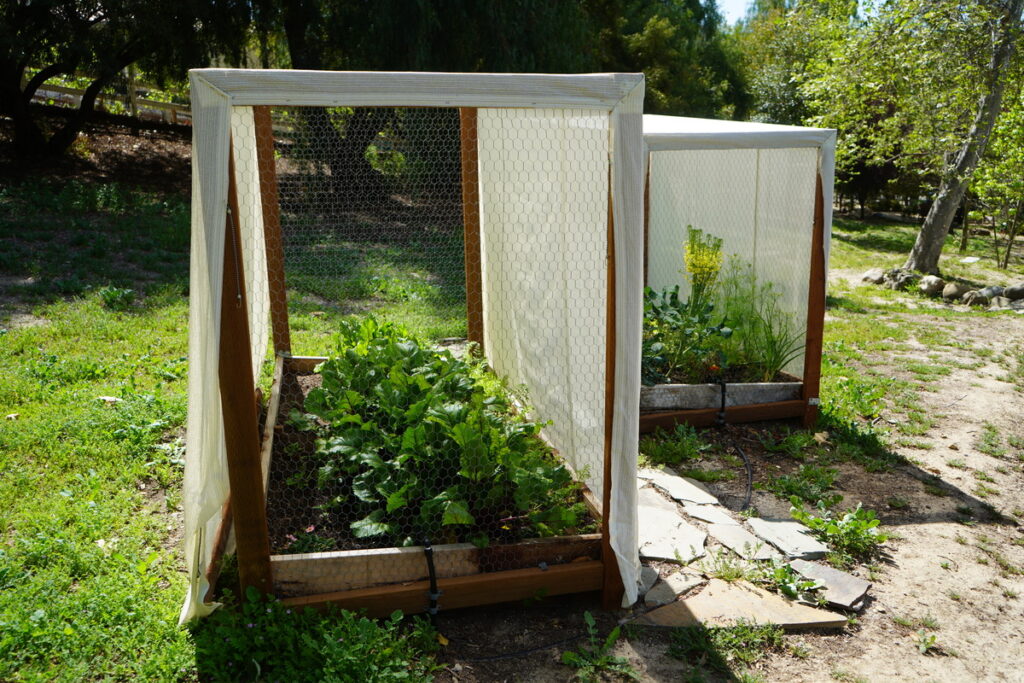
Composting. Appropriate organic material from the kitchen and property is composted, returning nutrients to the soil and closing the loop between the culinary program and the land that supports it. Composting reduces waste, enriches the garden, and models the circular, regenerative relationship with the natural world that Highlands in Bloom values both ecologically and philosophically.
Recycling. Comprehensive recycling practices operate throughout the facility, minimizing waste sent to landfill and ensuring that the operational footprint of the program is as environmentally responsible as possible. These practices are standard across all areas of the property and are part of the daily operational culture of the team.
Solar power. Highlands in Bloom operates with solar power panels that reduce the facility’s dependence on grid electricity and minimize the carbon footprint of the residential program. Solar energy is a meaningful long-term commitment to the environmental health of the Old Agoura Hills community and the Santa Monica Mountains watershed in which the property sits.
Reusable water containers. Every client at Highlands in Bloom receives their own reusable water container upon arrival, minimizing single-use plastic consumption throughout the residential stay. This practice reflects a small but consistent commitment to reducing disposable waste across the program. The facility has partnered with KINTO for this initiative, whose products are designed for both everyday durability and environmental responsibility.
The Orchard and Grounds as a Therapeutic Environment
The family orchard on the Highlands in Bloom property, with its pepper trees, orange, grapefruit, lime, lemon, and pomegranate trees, represents one of the most quietly significant aspects of the therapeutic environment. An orchard operates on a timeline that has nothing to do with productivity, urgency, or performance. Trees bear fruit in their season, not on demand. Tending them, being present among them, and receiving what they offer when they are ready to give it models a relationship with time and growth that many of our clients have entirely lost access to.
The broader grounds of the property, including lush outdoor gathering areas and movement spaces, support the somatic and nervous system regulation work that runs through all of Highlands in Bloom’s clinical programming. Research on attention restoration theory consistently demonstrates that natural environments restore directed attention capacity, reduce cognitive fatigue, and support the kind of open, unfocused awareness that allows the nervous system to genuinely rest. For clients whose professional lives have demanded constant directed attention for years, access to these environments throughout the day represents genuine clinical value.
Highlands in Bloom maintains these grounds with active ecological care, not simply as an aesthetic asset but as a clinical infrastructure investment. The team’s commitment to sustainability ensures that the natural environment that supports recovery today continues to do so for every client who arrives in the future.
A Growing Commitment
The team at Highlands in Bloom eagerly anticipates further developing and enhancing its sustainability initiatives as the program continues to grow and deepen its integration with the natural environment of Old Agoura Hills. The current practices, vegetable garden, composting, recycling, solar power, and plastic reduction, represent a foundation that the program intends to build upon with intention and care.
As research on the relationship between environmental sustainability and mental health outcomes continues to develop, Highlands in Bloom remains committed to incorporating evidence-based environmental practices that serve both the land and the people who heal on it. Sustainability at this facility is not a completed achievement. It is an ongoing, living commitment, consistent with the same philosophy of growth, renewal, and long-term thinking that guides the clinical work with every client who arrives here.
FAQs
How does Highlands in Bloom's commitment to sustainability support mental health recovery?
The connection between environmental sustainability and mental health recovery is direct and research-supported. Natural environments reduce cortisol levels, lower sympathetic nervous system activation, decrease rumination, and support the cognitive repair that burnout, trauma, and chronic stress impair. Maintaining a sustainable, ecologically healthy property at Highlands in Bloom is therefore not a values statement separate from the clinical program. It is an investment in the therapeutic quality of the environment in which recovery takes place.
When a client arrives at Highlands in Bloom and steps onto lush, well-maintained grounds, smells composting soil and garden growth, and moves through a space powered by clean energy and tended with genuine care, their nervous system receives signals of safety, health, and natural rhythm that directly support the regulatory work happening in clinical sessions. Sustainability and clinical care are not parallel tracks at Highlands in Bloom. They are the same track.
What sustainable practices does Highlands in Bloom have on the property?
Highlands in Bloom operates an active vegetable garden that contributes to the culinary program and provides a therapeutic horticultural environment for clients. The facility maintains a composting system that returns organic material to the soil and reduces waste. Recycling programs operate throughout the property. Solar power panels provide clean energy and reduce the facility’s carbon footprint. Every client receives a reusable KINTO water container upon arrival to minimize single-use plastic consumption during their stay.
The 1.45-acre property also maintains a family orchard featuring pepper trees, orange, grapefruit, lime, lemon, and pomegranate trees, lush outdoor grounds, and movement and gathering spaces that are actively maintained as both ecological and therapeutic assets. These practices collectively reflect a facility-wide commitment to environmental responsibility that the team intends to expand and deepen as the program continues to grow.
What does research say about nature and mental health recovery?
The evidence base for nature’s effects on mental health is substantial and growing. Research published in the NIH’s PubMed Central on nature exposure and mental health consistently demonstrates that time in natural settings reduces cortisol, improves mood, decreases anxiety, and restores directed attention capacity. A 2023 multi-site trial published in Scientific Reports found that nature-based therapy produced clinically significant effect sizes for depression, anxiety, stress reduction, and loneliness compared to control conditions.
Ecotherapy, a formal psychotherapeutic approach using environmental and ecological interventions, has documented positive outcomes for depression, stress, PTSD, and ADHD in peer-reviewed research. Horticultural therapy specifically, the use of plants and gardening activities in therapeutic contexts, shows meaningful improvements in stress, mood, and cognitive function in clinical populations. These findings inform how Highlands in Bloom designs and maintains its property as an active component of the residential treatment environment rather than a passive backdrop to it.
What is ecotherapy and does Highlands in Bloom incorporate it?
Ecotherapy is a broad term for psychotherapeutic and wellness approaches that use explicit environmental or ecological interventions as part of treatment. It encompasses horticultural therapy, nature-based therapy, green exercise, wilderness therapy, and care farming, among other modalities. Research published through the NIH has shown ecotherapy-related approaches to be effective for conditions including depression, stress, PTSD, and ADHD.
Highlands in Bloom incorporates nature-based elements throughout the residential experience rather than as a standalone clinical modality. The outdoor grounds, the orchard, the vegetable garden, the movement spaces, and the naturalistic setting of the Old Agoura Hills property all contribute to the therapeutic environment in ways that are consistent with the ecotherapy research base. Clients engage with these spaces throughout the daily program as part of somatic movement, mindfulness practices, and unstructured recovery time, drawing on the restorative properties of the natural environment as a complement to the clinical work happening indoors.
Where is Highlands in Bloom located and why does the surrounding environment matter?
Highlands in Bloom sits on a private 1.45-acre residential property in Old Agoura Hills, California, within the Santa Monica Mountains, approximately 35 miles northwest of Los Angeles. The Santa Monica Mountains are one of the largest urban national recreation areas in the United States, providing a naturalistic backdrop of significant ecological and therapeutic value directly adjacent to the facility.
The surrounding environment matters for recovery because the nervous system responds to its sensory context in measurable ways. Clean air, proximity to native vegetation, open space, natural light, and the relative quiet of a naturalistic setting all produce physiological effects that support the regulatory and repair work at the center of Highlands in Bloom’s clinical approach. The team’s commitment to sustainability ensures that the ecological health of the property and its relationship with the surrounding Santa Monica Mountains landscape is actively maintained and protected.
Does Highlands in Bloom use solar energy?
Yes. Highlands in Bloom operates solar power panels on the property that reduce the facility’s dependence on grid electricity and lower its carbon footprint. Solar energy reflects a long-term commitment to environmental responsibility that extends beyond the immediate experience of clients during their residential stay. It reflects the program’s belief that caring for the health of the land and the broader ecological community is inseparable from caring for the health of the people within the program.
The use of clean energy is one component of a broader sustainability commitment that also includes composting, recycling, an active vegetable garden, and plastic reduction initiatives.
How does environmental sustainability connect to the Highlands in Bloom clinical philosophy?
The clinical philosophy of Highlands in Bloom holds that the mind and body are not separate systems, and that effective treatment must address the whole person within their environment rather than treating symptoms in isolation. Environmental sustainability extends this philosophy outward from the individual to the setting itself: just as the program refuses to treat psychological health and physical health as separate domains, it refuses to treat the wellbeing of the facility and the wellbeing of the natural environment around it as separate concerns.
A facility that heals people within a neglected or ecologically irresponsible environment sends a contradictory message about the relationship between human health and environmental health. Highlands in Bloom treats its land with the same intention and care it brings to its clients, because the two are understood to be part of the same living system. Sustainability is therefore a clinical value at Highlands in Bloom, not simply an operational preference.
Does Highlands in Bloom grow its own food?
Highlands in Bloom maintains an active vegetable / herb garden on the property that contributes to the culinary program. The garden is part of a broader commitment to fresh, whole-food nutrition and to the therapeutic value of maintaining a living growing environment within the residential setting. Produce from the garden supplements the ingredients used by our chef, whose culinary program operates on a whole-food, vegetable-forward philosophy developed in direct collaboration with the clinical team.
The family orchard on the property, featuring orange, grapefruit, lime, lemon, pomegranate, and pepper trees, also contributes seasonal fruit to the culinary program and provides a living outdoor environment that clients engage with throughout their stay. Growing food on the property closes a meaningful loop between the land, the kitchen, and the client’s healing, reflecting the program’s commitment to nourishment that is both literal and ecological.