



Why High-Functioning Adults Choose Highlands in Bloom for Residential Mental Health Treatment
There is no shortage of residential mental health treatment options in California. What is rare is a program that was built by someone who actually needed one, that treats the whole person rather than the presenting diagnosis, and that holds space specifically for high-functioning adults executives, professionals, caregivers, overachievers, invisible caretakers, perfectionists, people pleasers, and leaders who have spent years being the capable one in every room while quietly losing themselves in the process.
If you have tried managing your way through symptoms that keep returning, if your body is telling you something your calendar refuses to accommodate, or if you simply know that what you have been doing is no longer sustainable, this page is an honest answer to the question of why this place and not another.
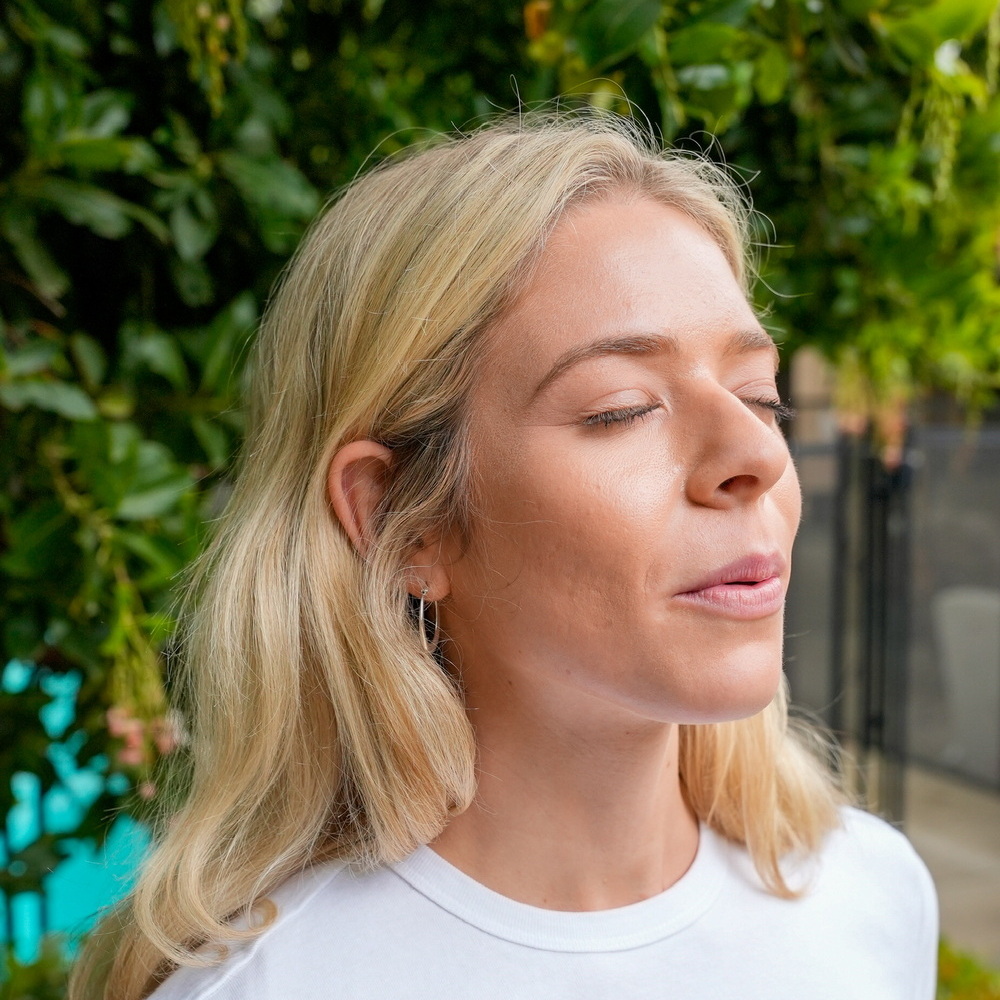
Who We Serve
Our ideal client is not looking for a label. They are looking for answers and the ability to trust their own body again. They are the executive who has not slept properly in two years. The caregiver who has held everyone else together until their own body began breaking down. The perfectionist who has medicated their anxiety with productivity for so long that the strategy has stopped working. The person pleaser who has given from depletion so consistently that they no longer remember what it feels like to want something for themselves.
These are not people who typically seek residential mental health treatment. They are people who research it quietly, who worry about what it means for their career, who convince themselves they are not sick enough. We built this program for exactly them, because sick enough is not the threshold. Suffering enough to deserve support is.
We work with overachievers, invisible caretakers, perfectionists, and people pleasers. Not because those are labels we assign, but because those are the patterns our clients recognize in themselves when they finally stop performing long enough to look.
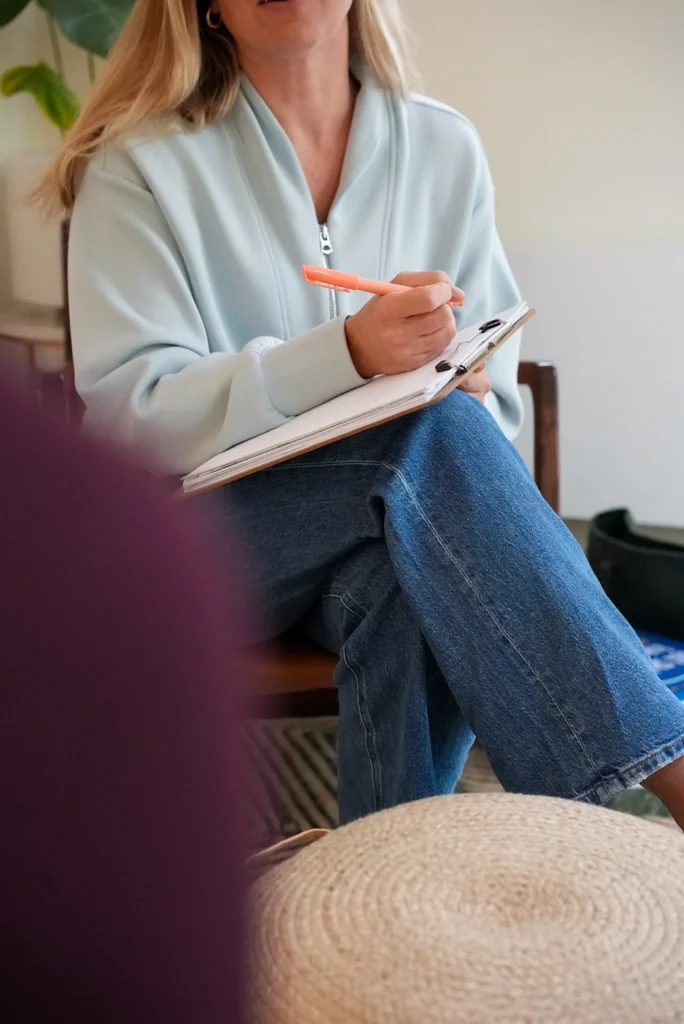
Who We Are and Why We Are Here
Highlands in Bloom is a licensed residential treatment center (RTC) for people whose bodies and minds have become dysregulated after years of stress, overachievement, and self-sacrifice. We teach people how to listen to their bodies, understand what is actually happening inside, and take genuine ownership of their healing process.
Our clinical philosophy is not a framework we borrowed. It was built from lived experience and refined through years of working with clients whose presentations do not fit neatly into standard diagnostic categories. At the center of everything we do are a few core beliefs: your body always tells you the truth, even when you do not want to hear it; healing is not something you outsource; you are not broken, you are overloaded; real healing is not about quick fixes, it is about learning how to live differently; and the mind and body are not separate systems.
We describe our program as a working laboratory for self-leadership because that is precisely what it is. Clients come here not to be treated and discharged, but to actively learn the language of their own nervous system, to practice new ways of responding to stress and discomfort, and to develop the capacity for self-regulation that makes every other aspect of recovery possible.
The Culinary Experience: Healing Begins at the Table
At Highlands in Bloom, healing begins with more than just therapy. It begins at the table. Our culinary program is built on the understanding that what the body receives nutritionally has a direct and measurable bearing on its capacity to heal, particularly for clients presenting with stress-related inflammation, hormonal dysregulation, and autoimmune conditions. Our chef’s philosophy, rooted in the belief that food is medicine, influences every dish served at Highlands in Bloom.
Our approach centers on whole foods, seasonal produce, and a vegetable-forward philosophy designed to support healing from the inside out. Every meal is thoughtfully crafted with client wellbeing as the primary consideration, drawing on the principles of functional nutrition to reduce systemic inflammation, support gut integrity, and nourish the physiological systems immune, hormonal, and nervous that are most affected by chronic stress. The menu evolves with the seasons and reflects a balance of accessibility, flavor, and intention. Each dish is designed to support the nervous system, reduce inflammation, and gently guide the body back to equilibrium while remaining delicious, comforting, and deeply satisfying.
Meals at Highlands in Bloom are a communal experience. While we attend carefully to individual dietary needs and sensitivities, and review these during the admissions process so our chef is prepared before you arrive, our culinary program is designed to nourish the collective healing process rather than function as an individual customization service. Communal dining is itself a therapeutic experience one that many of our clients, accustomed to eating at their desks or skipping meals entirely, find unexpectedly restorative. At Highlands in Bloom, every bite is part of your transformation.
What You Leave With
Residential treatment at Highlands in Bloom is not an event. It is the beginning of a different way of living. Every client leaves with more than a discharge summary. They leave with a clear, working understanding of what has actually been happening in their body the physiological mechanisms behind their symptoms, the nervous system patterns that have been driving their behavior, and the specific triggers that have kept them cycling through the same experiences despite their efforts to change.
Every client also leaves with a personal treatment plan developed collaboratively with their clinical team throughout the residential stay. This plan integrates nutrition, somatic movement, stress and pain management strategies, and positive psychology tools calibrated to each client’s specific presentation and lifestyle. It is not a generic discharge packet. It is a personalized framework for continuing the work that began here, built into the rhythms and demands of the life they are returning to.
Beyond the individual treatment plan, clients leave with a support network that includes both digital resources and in-person connections cultivated during the residential program. Our case manager works with each client to ensure the transition back to professional and personal life is supported by ongoing outpatient care, peer connection, and access to the community that has formed at Highlands in Bloom. The work does not end at discharge. It continues, with the tools, the clarity, and the support to sustain it.
The Property: A Healing Environment in Old Agoura Hills
Highlands in Bloom is located on a private 1.45-acre residential property in Old Agoura Hills, California, within the Santa Monica Mountains approximately 35 miles northwest of Los Angeles and accessible from the Conejo Valley, Malibu, Thousand Oaks, and Westlake Village. The property is designed to feel like a home, not a clinical facility. Its rustic farmhouse architecture, high ceilings, and large windows create a sense of warmth and openness that institutional settings structurally cannot replicate. The living spaces, including a fireplace gathering room and a gourmet kitchen equipped for our culinary program, are designed to support both the communal and the deeply personal dimensions of residential healing.
The surrounding landscape is as intentional as the interiors. Lush, meticulously maintained grounds provide a serene outdoor environment that supports the nervous system regulation work happening inside. A family orchard on the property hosts pepper trees, oranges, grapefruits, limes, lemons, and pomegranates a living reminder that healing, like growth, happens slowly, seasonally, and with care. Research on stress recovery and attention restoration consistently shows that natural environments reduce cortisol, lower sympathetic nervous system activation, and support cognitive repair. The property at Highlands in Bloom is not an amenity. It is part of the clinical environment.
- Elegant Exterior: The home boasts a rustic architectural design with a beautiful landscape, combining modern aesthetics with farmhouse charm.
- Spacious Interiors: With an expansive floor plan, the property offers ample space for living, entertaining, and relaxing. High ceilings and large windows enhance the sense of openness.
- Luxurious Living Room: The living room features a cozy fireplace, perfect for gatherings and creating a warm, inviting atmosphere.
- Gourmet Kitchen: Equipped with state-of-the-art appliances, granite countertops, and custom cabinetry, the kitchen is a chef’s dream. An adjacent dining area provides a seamless flow for entertaining.
- Beautiful Landscape: The property is surrounded by lush, meticulously maintained landscaping, providing a serene outdoor environment.
- Family Orchard: hosts pepper trees, oranges, grapefruits, limes, lemons, and pomegranates.

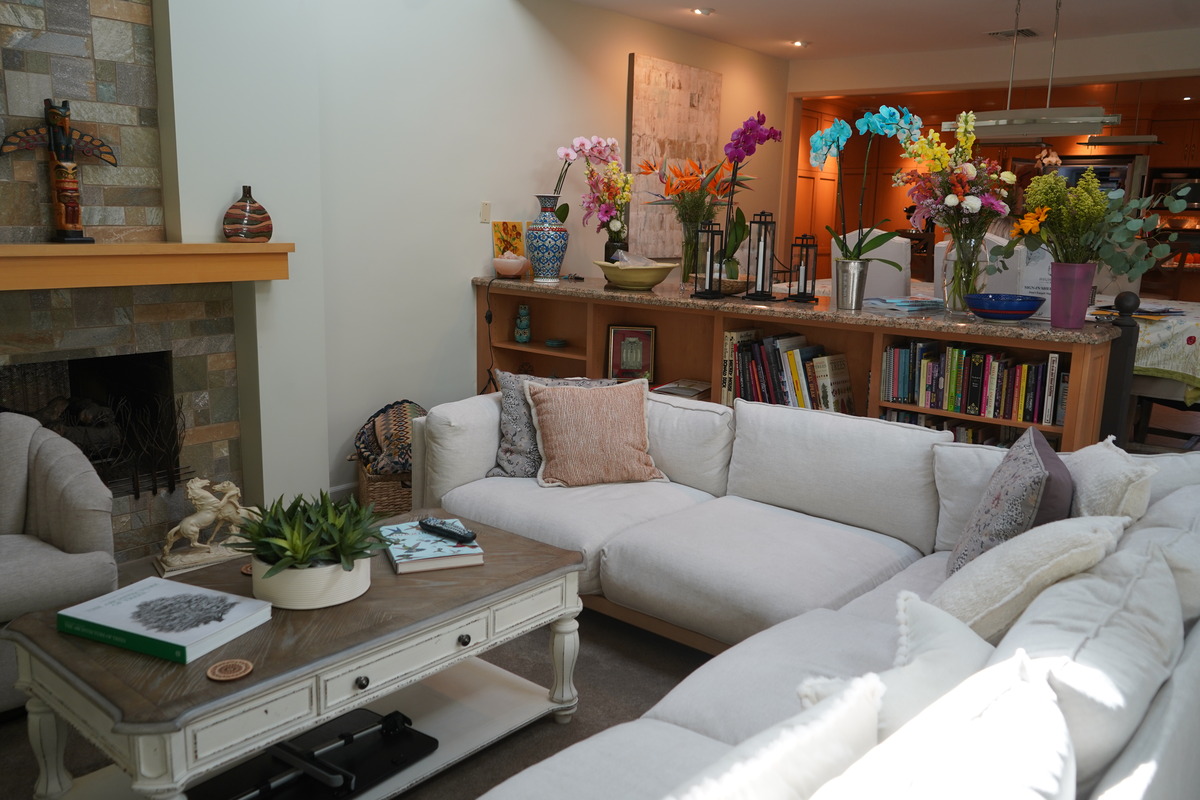


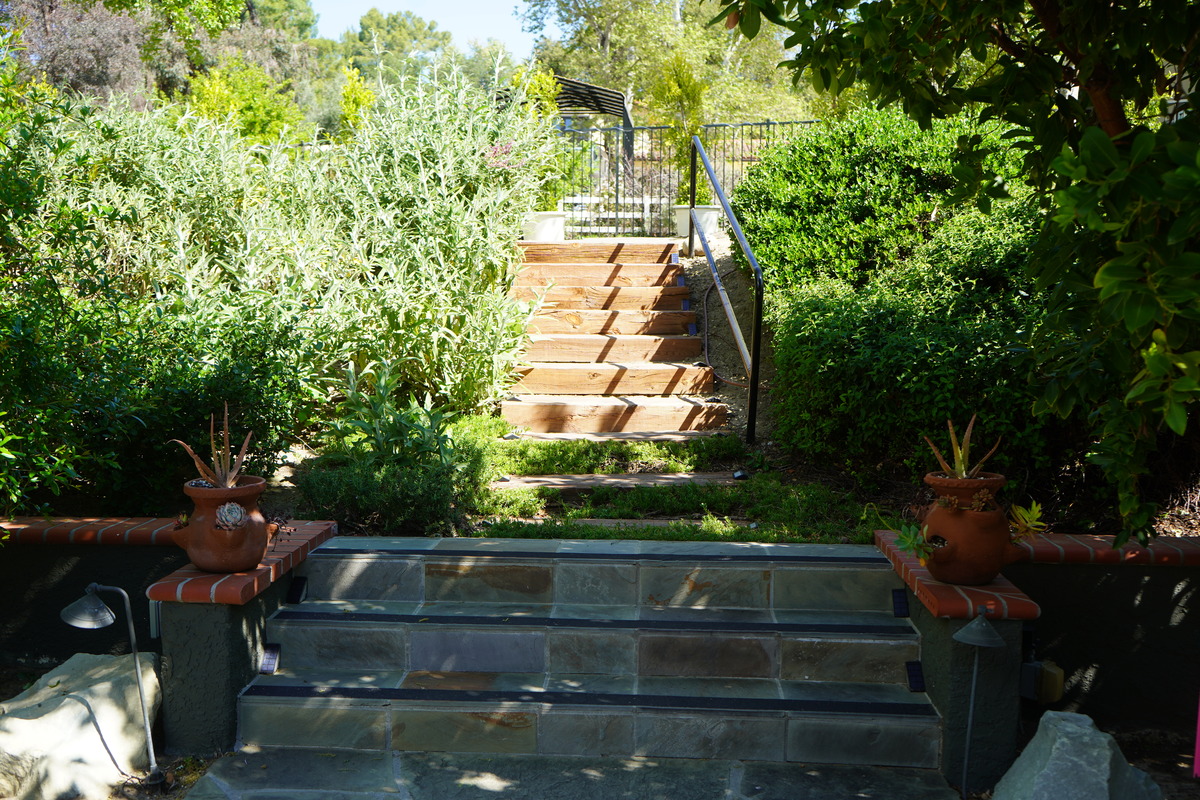
Infrastructure includes solar panels, vegtable garden, walking garden, and a detached rennovated gathering space.
Land Acknowledgment
Our healing work takes place on the unceded ancestral lands of the Chumash Peoples. We honor their elders-past, present, and emerging-and recognize the lasting impacts of colonization, including displacement and generational trauma. We are committed to truth, healing, and reconciliation, and to uplifting the stories, culture, and community of this land’s original stewards.
Licensed, Accredited, and Accountable
Choosing a residential mental health provider is one of the most consequential decisions a person or family will make. We take the responsibility that comes with that seriously, and our credentials reflect it. Highlands in Bloom holds a California Department of Health Care Services (DHCS) license, a California Department of Social Services (CDSS) license (License #195850591), and is accredited by The Joint Commission, the gold standard in independent healthcare accreditation in the United States.
We are in-network with Blue Shield of California and Aetna, and we work with most major PPO insurance carriers. Our admissions team verifies benefits at no cost and manages the prior authorization process on behalf of every client. The decision to seek residential care is hard enough without administrative barriers getting in the way.
What to Look For When Choosing a Residential Mental Health Program
Choosing the right residential mental health treatment program is one of the most important decisions you or your family will make. The options can feel overwhelming, and the marketing language across the industry is often similar enough that meaningful differences are hard to identify. Here is what actually matters and how Highlands in Bloom measures against each criterion.
State licensure and independent accreditation. Any residential mental health facility operating in California must hold a California Department of Health Care Services (DHCS) license. Beyond state licensure, look for independent accreditation from The Joint Commission, the gold standard for healthcare quality in the United States. Highlands in Bloom holds both a DHCS license and a CDSS license (License #195850591) and is accredited by The Joint Commission.
Clinical staff credentials and multidisciplinary care. A residential treatment program is only as strong as the clinical team delivering it. At Highlands in Bloom, our multidisciplinary clinical team includes a PhD-level clinical director, licensed marriage and family therapists, psychiatric support, and specialists in somatic therapy, trauma-focused care, EMDR, DBT, and nutritional education.
Specificity of population served. The best residential programs are built for a specific population. If you are a high-functioning professionals, overachievers, perfectionists navigating the intersection of mental health and autoimmune or stress-related physical conditions, you need a program built for your specific presentation. Highlands in Bloom exists specifically for this population.
Program size and individualization. At Highlands in Bloom, our intentionally small, boutique program means your primary therapist maintains meaningful depth on your case, your clinical team communicates directly about your progress, and every person on staff knows who you are and why you are here.
Insurance acceptance and financial transparency. Highlands in Bloom is in-network with Blue Shield of California and Aetna and works with most major PPO insurance carriers. Our admissions team verifies benefits at no cost and provides a clear cost breakdown before you make any decisions.
Environment and nutritional support. Highlands in Bloom is located on a 1.45-acre residential property in Old Agoura Hills, California. Our culinary program is grounded in whole food vegetable forward principles, designed to reduce inflammation and support immune and nervous system repair.

Local History and Culture of Agoura Hills
- Stunning landscapes
- Small town energy
- Spiritual connection to the land

Natural Assets
- Solar panels
- Vegetable garden
- Herb garden
- Access to natural resources

Foods & Local Ingredients
- Full-time chef
- Relationships with local vendors
- Locally sourced

Culinary Traditions
- Blend of food knowledge with modern science and natural medicine for innovative recovery food options

Healing Practices
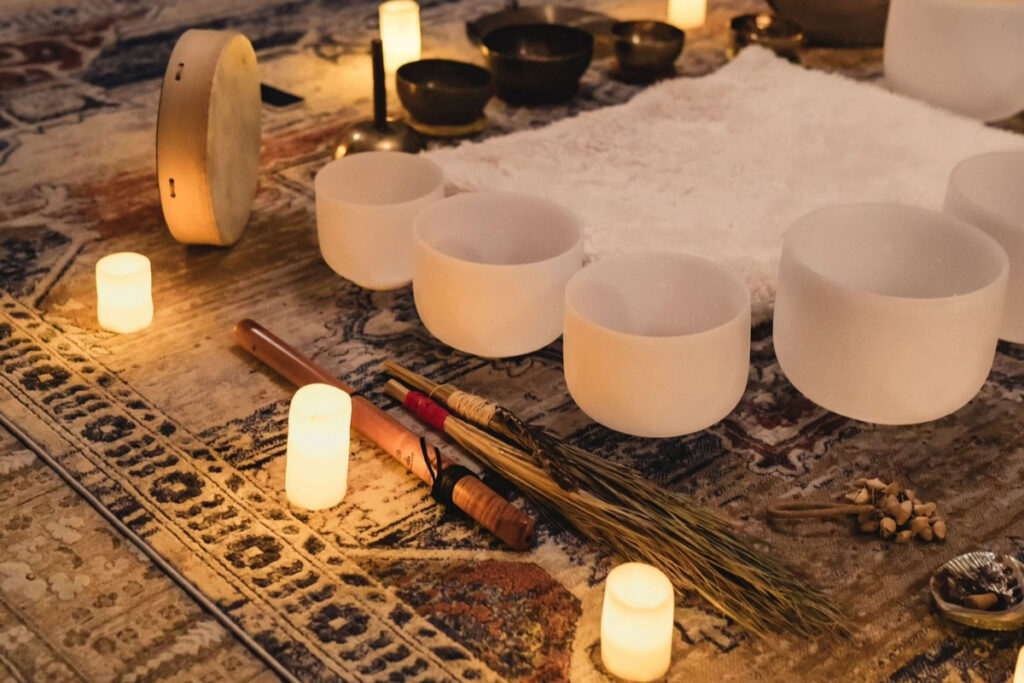
- Sound baths
- Energy healing
- Pulsed electromagnetic field therapy (PEMF)
- Near Infrared Red Light
- Far-Infrared Sauna
- Vibration Plates
Ancient/Spiritual Traditions
- Mindfulness
- Meditation
- Yoga
- Aroma Therapy
- Somatic Movement
FAQs
Is Highlands in Bloom the right fit if I am still functioning at a high level professionally?
Yes. In fact, high-functioning professionals who are still managing to perform externally while struggling significantly internally are the clients our program is most specifically designed for. The ability to keep going professionally is not evidence that residential treatment is unnecessary. For many of our clients, it is precisely what has delayed them from getting care. What we see consistently is that the higher someone’s capacity to manage, the longer they are able to override the signals their body is sending, and the more accumulated the damage becomes by the time they arrive. If you are still functioning but you know something is deeply wrong, that awareness is enough. You do not need to be in visible crisis to deserve this level of support.
How is Highlands in Bloom different from a traditional inpatient psychiatric facility?
Highlands in Bloom is a residential treatment center, not an inpatient psychiatric hospital. Traditional inpatient psychiatric facilities are designed for acute psychiatric stabilization, typically for short stays of a few days to two weeks, in a highly structured medical environment. Residential treatment at Highlands in Bloom is designed for adults who are clinically stable but require more intensive, sustained support than outpatient therapy can provide. Our program offers 30 to 90 days of individualized residential care in a home-like setting, with a full clinical team, personalized treatment planning, nutritional support, and therapeutic programming that addresses the whole person rather than the immediate crisis. It is a fundamentally different model of care, built for a different clinical need.
What does Highlands in Bloom mean by treating the whole person?
Treating the whole person means recognizing that mental health does not exist in isolation from physical health, relational patterns, nervous system function, nutrition, environment, or the accumulated weight of a person’s history. Our clinical approach is built on the understanding that effective treatment must address all of these dimensions, not just the presenting diagnosis. In practical terms, this means that a client presenting with anxiety is not simply given anxiety treatment. Our team explores the physiological contributors to their anxiety, the relational patterns that sustain it, the nutritional and inflammatory factors that amplify it, and the nervous system dysregulation that underlies it. Treatment plans at Highlands in Bloom integrate psychotherapy, somatic work, nutritional support, movement, and psychiatric care into a unified, individualized program rather than a collection of separate interventions.
Why does Highlands in Bloom focus on self-leadership rather than traditional recovery language?
Traditional recovery language, including terms like disorder, management, and coping, frames the client as someone with something wrong who needs to be maintained. Our clinical philosophy is oriented differently. We believe that the patterns our clients struggle with are almost always adaptive responses to genuine stress and pain, not evidence of permanent defect. Self-leadership is the framework we use to describe what we are actually building: the capacity to understand your own nervous system, to recognize what your body is communicating, to make choices from a regulated rather than reactive state, and to lead your own life with greater clarity and intention. For our clients, most of whom are already leaders in their professional lives, this framing is not just more accurate. It is also more motivating and more consistent with how they understand themselves.
Can my dietary restrictions or food allergies be accommodated at Highlands in Bloom?
Our culinary team is attentive to individual dietary needs and food sensitivities, and we review these during the admissions process so that our chef is prepared before you arrive. Serious food allergies and medically necessary dietary restrictions are taken seriously and accommodated as part of our care for each client’s physical safety and wellbeing. That said, our culinary program is designed as a communal healing experience rather than an individual customization service. Meals are thoughtfully crafted for the collective, incorporating whole foods and anti-inflammatory principles that support most of our clients. If you have specific dietary concerns, we encourage you to raise them during your admissions consultation so we can discuss how they would be addressed within our program structure.
What credentials and accreditations does Highlands in Bloom hold?
Highlands in Bloom holds a California Department of Health Care Services (DHCS) license, a California Department of Social Services (CDSS) license (License #195850591), and is accredited by The Joint Commission, the gold standard for independent healthcare quality and safety accreditation in the United States. We are in-network with Blue Shield of California and Aetna, and we work with most major PPO insurance carriers. We are also verified on Psychology Today and listed on GoodTherapy. These credentials collectively reflect our commitment to clinical excellence, regulatory compliance, and the standard of care our clients and their families deserve when making one of the most significant decisions of their lives.
How do I know if a residential treatment center is legitimate and safe?
When evaluating any residential treatment center, the most important things to verify are state licensure, independent accreditation, clinical staff credentials, transparency about treatment methods, and whether the facility accepts insurance from recognized carriers. Highlands in Bloom is licensed by both the California Department of Health Care Services (DHCS) and the California Department of Social Services (CDSS), and is independently accredited by The Joint Commission. Our clinical team holds recognized professional licenses and credentials. We are in-network with Blue Shield of California and Aetna, which requires facilities to meet and maintain specific clinical and operational standards. We welcome questions about our credentials, our clinical approach, and our program structure, and encourage prospective clients and families to verify everything we share.
What if I am not sure residential treatment is the right level of care for me?
Uncertainty at this stage is completely normal, and it does not mean you are not ready. Most people who contact us are not sure. What they are sure of is that something needs to change, and that what they have been doing is no longer sufficient. Our admissions team offers a complimentary, confidential clinical assessment, virtually, to help you understand whether residential care is the appropriate level of support for where you are right now. We will never pressure you toward a decision. Our goal is to help you make an informed one. If residential treatment is not the right fit, we will tell you that and help you identify what level of care might be more appropriate.
How do I start the conversation with my family about attending residential treatment?
Starting this conversation is often the hardest part, particularly for people who are accustomed to being the strong one or the capable one in their relationships. Being direct and specific about what you have been experiencing, rather than minimizing or qualifying, tends to land better than vague references to needing a break. Framing residential treatment as a medical decision rather than a personal failing removes a significant amount of stigma from the conversation. And if your family is involved in the research process, bringing them into a conversation with our admissions team directly can help address their questions and concerns with clinical context that you may not feel equipped to provide on your own. Our team is experienced in supporting these conversations and is available to speak with family members as part of the admissions process.
What happens if I decide Highlands in Bloom is not the right fit after speaking with admissions?
If after speaking with our admissions team you decide that Highlands in Bloom is not the right fit, that decision is completely respected and there is no pressure or obligation of any kind. Our admissions consultation is genuinely designed to help you find the right care, not simply to fill a bed. Where appropriate, our team will provide referrals to other programs or levels of care that may be a better match for your specific needs. Getting the right care matters more to us than getting you through our door, and we take that seriously.
Can I visit Highlands in Bloom before deciding to enroll?
Yes. We encourage prospective clients and their families to tour our facility as part of the decision-making process. Seeing the property, meeting members of our team, and experiencing the environment in person can answer questions that no website or phone call fully addresses. For many of our clients, the visit itself is what makes the decision feel clear. We also offer virtual tours for those who are traveling from out of state or who are not yet ready to visit in person. Contact our admissions team to schedule a tour or virtual walkthrough at a time that works for you.
What should I look for when choosing a residential mental health treatment program?
When evaluating a residential mental health treatment program, the most important criteria to verify are state licensure and independent accreditation, clinical staff credentials, specificity of the population served, program size and staff-to-client ratio, insurance acceptance and cost transparency, and the quality of the physical environment and nutritional support. State licensure, specifically a California Department of Health Care Services (DHCS) license, is the baseline regulatory requirement. Independent accreditation from The Joint Commission goes significantly further, requiring continuous adherence to rigorous standards for clinical quality and patient safety. Insurance acceptance from recognized national carriers such as Blue Shield of California and Aetna is also a meaningful quality signal, as these carriers require facilities to meet specific clinical and operational standards before granting in-network status.
How is Highlands in Bloom different from other residential mental health programs in California?
Highlands in Bloom is differentiated from most residential mental health programs in California in five specific ways. First, our population: we specialize exclusively in high-functioning adults professionals, executives, caregivers, and leaders a group whose needs are not well served by general residential programs. Second, our clinical approach explicitly addresses the intersection of mental health and stress-related autoimmune conditions, which is rare in the residential treatment space. Third, our intentionally small program size delivers genuinely individualized care that larger facilities cannot replicate. Fourth, our founder’s personal experience with autoimmune illness and stress-driven breakdown gives our clinical philosophy a specificity and authenticity that is uncommon. Fifth, our Joint Commission accreditation, in-network insurance partnerships, and licensed multidisciplinary clinical team reflect a standard of clinical rigor that a significant portion of the residential treatment market in California does not hold.
Is Highlands in Bloom the right choice for a professional who cannot afford a long absence from work?
This is one of the most common concerns we hear from prospective clients, and it deserves a direct answer. FMLA (Family and Medical Leave Act) entitles eligible employees at covered employers to up to 12 weeks of job-protected, unpaid leave for a serious health condition, which includes residential mental health treatment. This means most of our clients can take the time they need without jeopardizing their employment. Our clinical team provides the medical documentation required to support an FMLA application, and our admissions team has extensive experience helping professional clients navigate this process. We also structure treatment length collaboratively, and for clients who require a shorter initial stay, we build a robust step-down and aftercare plan that continues the work at a level compatible with returning to professional life.
What does Joint Commission accreditation mean for a residential mental health facility?
Joint Commission accreditation is the most widely recognized independent quality credential in United States healthcare. For a residential mental health facility, earning and maintaining Joint Commission accreditation means the program has been independently evaluated against rigorous standards covering clinical care quality, patient safety protocols, treatment planning processes, staff qualifications, and continuous performance improvement. Unlike state licensure, which establishes a regulatory floor, Joint Commission accreditation is voluntary and reflects a facility’s active commitment to exceeding minimum standards. It requires ongoing compliance reviews, not just a one-time approval. For prospective clients and families evaluating residential mental health programs, Joint Commission accreditation is one of the clearest signals available that a facility operates at a high and consistently maintained standard of clinical quality. Highlands in Bloom is accredited by The Joint Commission.
What evidence-based therapies does Highlands in Bloom use and why do they matter?
Evidence-based therapies are clinical approaches that have been validated through rigorous research to produce meaningful outcomes for specific conditions. At Highlands in Bloom, our clinical programming integrates Cognitive Behavioral Therapy (CBT), Eye Movement Desensitization and Reprocessing (EMDR), Dialectical Behavior Therapy (DBT), somatic experiencing, trauma-focused therapies, mindfulness-based practices, and nervous system regulation work. The reason these modalities matter for our population specifically is that high-functioning adults with burnout, trauma, and stress-related autoimmune conditions typically require both top-down cognitive approaches and bottom-up somatic approaches to produce lasting results. Our integrated approach is designed to address both dimensions simultaneously.
Why does the size of a residential mental health program matter?
Program size directly determines the quality and depth of individualized care a client receives. In a large residential program serving 40 to 60 clients simultaneously, clinical staff are managing high caseloads, treatment plans are often more standardized than they appear in marketing materials, and the staff-to-client ratio is necessarily diluted. At Highlands in Bloom, our intentionally small, boutique program means that every clinical decision is made with a specific person in mind, your primary therapist maintains meaningful depth on your case throughout your stay, and the entire team knows who you are. For our clients, many of whom have spent careers being responsible for managing large teams and rarely prioritizing themselves, the experience of being genuinely known and attended to is not just a comfort. It is a meaningful part of the healing process.
Why does the physical environment of a residential treatment center matter for recovery?
The physical environment of a residential mental health program is not incidental to the clinical work. It is part of the clinical infrastructure. The nervous system’s capacity to move out of chronic stress activation and into the regulated states where healing, learning, and integration become possible is directly affected by the sensory environment light, sound, space, proximity to nature, and the felt sense of safety a physical setting either provides or undermines. For clients presenting with burnout, trauma, and stress-related autoimmune conditions, the transition into a naturalistic, quiet, and genuinely restorative setting is itself a therapeutic intervention. Research on attention restoration and stress recovery consistently demonstrates that natural environments reduce cortisol, lower sympathetic nervous system activation, and improve cognitive function. Highlands in Bloom is set on a 1.45-acre residential property in Old Agoura Hills within the Santa Monica Mountains, designed specifically to provide the environmental conditions that support nervous system repair alongside the clinical work.
How does nutrition support mental health recovery in a residential setting?
The relationship between nutrition and mental health recovery is well-established in clinical research. The gut-brain axis, the bidirectional communication network between the gastrointestinal system and the central nervous system, means that what the body receives nutritionally has a direct and measurable effect on neurotransmitter production, inflammatory regulation, mood stability, and cognitive function. For clients in a residential mental health program, particularly those presenting with stress-related inflammation, hormonal dysregulation, or autoimmune conditions, nutritional support is not a lifestyle amenity. It is a clinical lever. At Highlands in Bloom, our culinary program is grounded in the principles of a whole food vegetable forward approach, a research-informed framework designed to reduce systemic inflammation and support gut integrity. Every meal is prepared fresh on-site by our chef, whose work is developed in direct collaboration with our clinical team. Nutritional support at Highlands in Bloom is integrated into the treatment plan, not separate from it.