



Highlands in Bloom is a licensed residential treatment center in Agoura Hills, California. Our clinical program is developed and overseen by Clinical Program Director Stacy McNeal, PhD, LMFT and Medical Director and Psychiatrist Dr. Meher Irani. Family therapy is offered as a component of the individualized residential treatment plan where clinically indicated, recognizing that recovery is meaningfully supported or undermined by the quality of close relationships.

What Is Family Therapy?
Family therapy is a form of psychotherapy that addresses the relational dynamics, communication patterns, and systemic factors within a family unit that influence an individual’s mental health and recovery. Rather than treating the individual in isolation from their relational context, family therapy recognizes that mental health disorders, chronic illness, and trauma exist within and affect the broader family system. Family therapy can involve partners, parents, adult children, siblings, or other significant relationships depending on the client’s clinical needs and the nature of the relational dynamics being addressed.
How Family Therapy Works
Family therapy sessions at Highlands in Bloom are facilitated by licensed clinicians and structured around the specific relational goals identified in the client’s individualized treatment plan. Sessions focus on improving communication, rebuilding trust, establishing and maintaining healthy boundaries, psychoeducating family members about the client’s conditions and treatment, and developing a shared understanding of the recovery process. Family involvement is coordinated in a way that supports rather than disrupts the client’s clinical progress and sense of safety. The timing, frequency, and format of family therapy sessions are determined by the clinical team in consultation with the client.
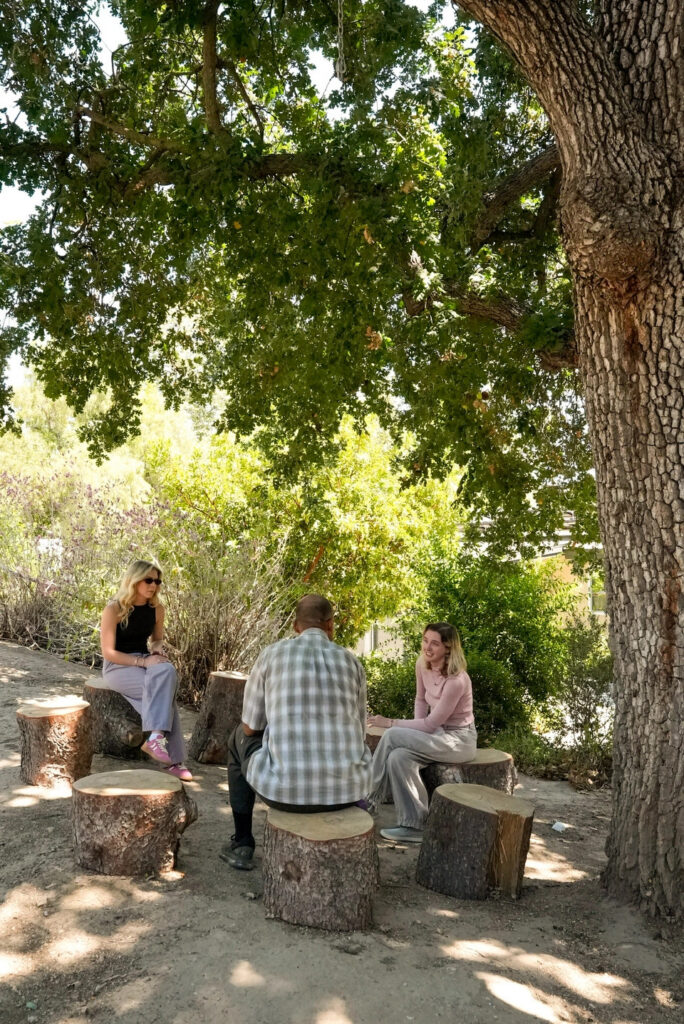
Family Therapy at Highlands in Bloom
At Highlands in Bloom, family therapy is offered where clinically indicated as part of a comprehensive residential treatment plan. Chronic illness and mental health disorders do not exist in isolation. They affect and are affected by the family system, and the quality of those relationships has a direct impact on both the experience of illness and the trajectory of recovery. For clients managing autoimmune conditions, family therapy often addresses the impact of unpredictable symptoms, role changes within the family, caregiver burden, and the relational strain of living with a chronic condition. For clients managing mental health disorders including anxiety, depression, trauma, and burnout, family therapy addresses the relational patterns and communication dynamics that have developed around the illness and that may be inadvertently sustaining it. Family members are provided with psychoeducation about the client’s conditions and the residential treatment process to ensure that the home environment supports rather than undermines recovery after discharge.
Conditions Family Therapy Addresses
Family therapy is indicated for clients at Highlands in Bloom who are managing:
- Mental health disorders where family dynamics play a significant role in symptom maintenance
- Trauma with a relational or family-of-origin component
- Autoimmune conditions that have significantly impacted family roles and relationships
- Burnout and chronic stress with partnership or family system strain
- Communication breakdowns and relational conflict requiring clinical facilitation
- Caregiver relationships requiring psychoeducation and boundary-setting support
What to Expect
Family therapy at Highlands in Bloom is offered where clinically appropriate and is always structured around the client’s clinical needs and consent. Clients can expect sessions facilitated by a licensed clinician with clear therapeutic goals established in advance. Family members who participate are provided with psychoeducation about the client’s conditions and treatment approach. Sessions are designed to improve relational communication and establish the kind of mutual understanding and boundary clarity that supports long-term recovery. Family therapy is one component of a comprehensive individualized treatment plan and is coordinated closely with the client’s individual and group clinical work.
FAQs
Is family therapy required at Highlands in Bloom?
No. Family therapy is offered where clinically indicated and always with the client’s informed consent. Whether family therapy is included in a treatment plan depends on the client’s clinical needs, their relational context, and the therapeutic goals established at intake.
Who can participate in family therapy sessions?
Family therapy sessions may include partners, parents, adult children, siblings, or other significant relationships depending on what is most clinically relevant to the client’s treatment goals. The clinical team works with each client individually to determine who to involve and when.
How does family therapy support autoimmune recovery?
Living with a chronic autoimmune condition frequently produces significant relational strain, role changes, caregiver dynamics, and communication challenges within family systems. Family therapy addresses these relational dimensions directly, helping family members understand the condition, adjust expectations, communicate more effectively, and support the client’s recovery in sustainable and healthy ways.
Can family members learn about the treatment program?
Yes. Psychoeducation for family members is a component of family therapy at Highlands in Bloom. Family members are provided with clinical information about the client’s conditions, the residential treatment approach, and how they can best support recovery after discharge within appropriate clinical and boundary parameters.
Take the First Step
Highlands in Bloom accepts clients from across California and the United States. Our admissions team is available daily for a complimentary, confidential clinical consultation. Call us at (805) 892-6313 or visit highlandsinbloom.com/contact to request a consultation. We are in-network with Blue Shield of California and Aetna and accept most major PPO plans.