



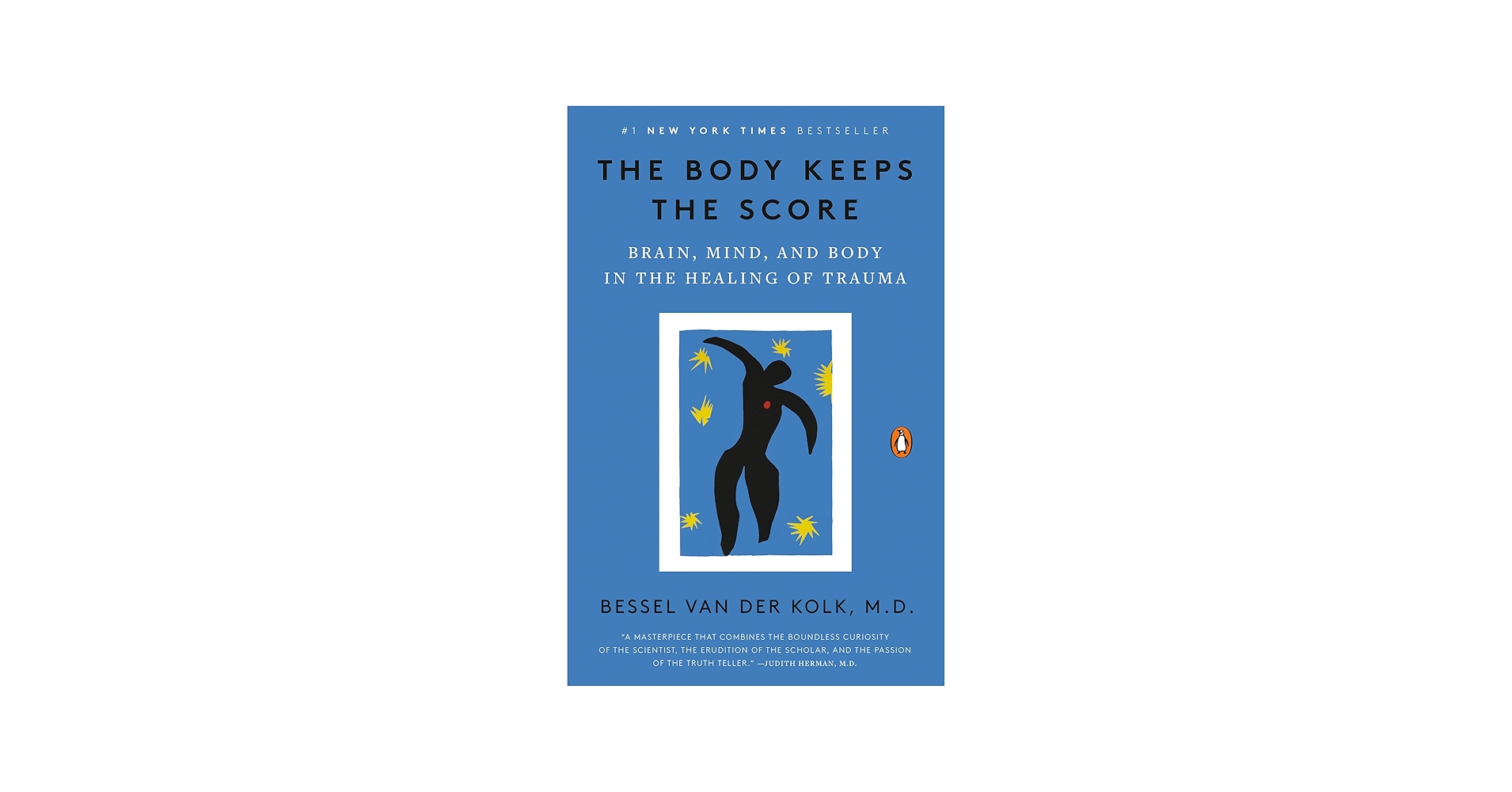
The Body Keeps the Score Residential Treatment at Highlands in Bloom
The The Body Keeps the Score residential treatment model stands as a core element of our program at Highlands in Bloom. We actively integrate the principles from The Body Keeps the Score by Bessel van der Kolk into how we treat trauma, mental health, and chronic health conditions.
We do not treat this work as a concept, we build it into the structure of each day. Our clinical team uses it to guide how clients regulate, process, and heal.
Why This Work Is Central to Our Program
This book highlights a clear truth. Trauma lives in the body. It impacts the brain, the nervous system, and the immune response.
Many clients come to Highlands in Bloom with:
- Trauma and chronic stress
- Anxiety, depression, or burnout
- Autoimmune conditions and inflammation
- Nervous system dysregulation
Talk therapy alone does not resolve these patterns. The body must be part of the treatment.
How We Make This a Core Element of Care
We do not reference this work. We operationalize it.
Daily Somatic Movement Is Required
We include 1.5 hours of somatic movement every day. This is not optional.
Clients learn how to:
- Release stored stress
- Increase awareness of physical sensations
- Shift out of fight, flight, or freeze states
This creates real change in how the body responds to stress.
We Prioritize Nervous System Regulation
Clients must feel safe in their bodies before they can process trauma.
We build that safety through:
- Breathwork and grounding practices
- Consistent daily structure
- Calm, supportive environments
This allows deeper clinical work to land.
Our Clinical Team Applies Trauma-Informed Modalities
We use evidence-based therapies that align with these principles:
- EMDR
- DBT
- CBT
- Psychodynamic therapy
Each session supports both emotional processing and physiological regulation.
We Treat the Body Alongside the Mind
We address the physical side of trauma and stress.
Our program includes:
- Whole-food, vegetable forward nutrition
- Complementary wellness modalities
- Structured routines that support circadian rhythm
This helps reduce inflammation and stabilize energy.
Why Clients Respond to This Approach
When clients understand that their symptoms connect to the body, they shift their mindset.
They stop asking, “What is wrong with me?”
They start asking, “What does my body need?”
This leads to:
- Stronger emotional regulation
- Less reactivity
- Improved physical symptoms
- More sustainable healing
Who Benefits Most
This model supports individuals who:
- Have not improved with traditional therapy alone
- Experience both mental and physical symptoms
- Carry unresolved trauma
- Need a structured, immersive setting
We designed Highlands in Bloom for this population.
Highlands in Bloom
Residential Treatment Center for Autoimmune + Mental Health
Agoura Hills, California
Licensed by CDSS • Certified by DHCS • JCAHO Accredited