



Highlands in Bloom is a licensed residential treatment center in Agoura Hills, California. Our clinical program is developed and overseen by Clinical Program Director Stacy McNeal, PhD, LMFT and Medical Director and Psychiatrist Dr. Meher Irani. Cold plunge hydrotherapy is an evidence-informed integrative practice integrated into the daily residential program at Highlands in Bloom, selected for its documented effects on vagus nerve activation, nervous system regulation, systemic inflammation reduction, and mood support.
What Is Cold Plunge Hydrotherapy?
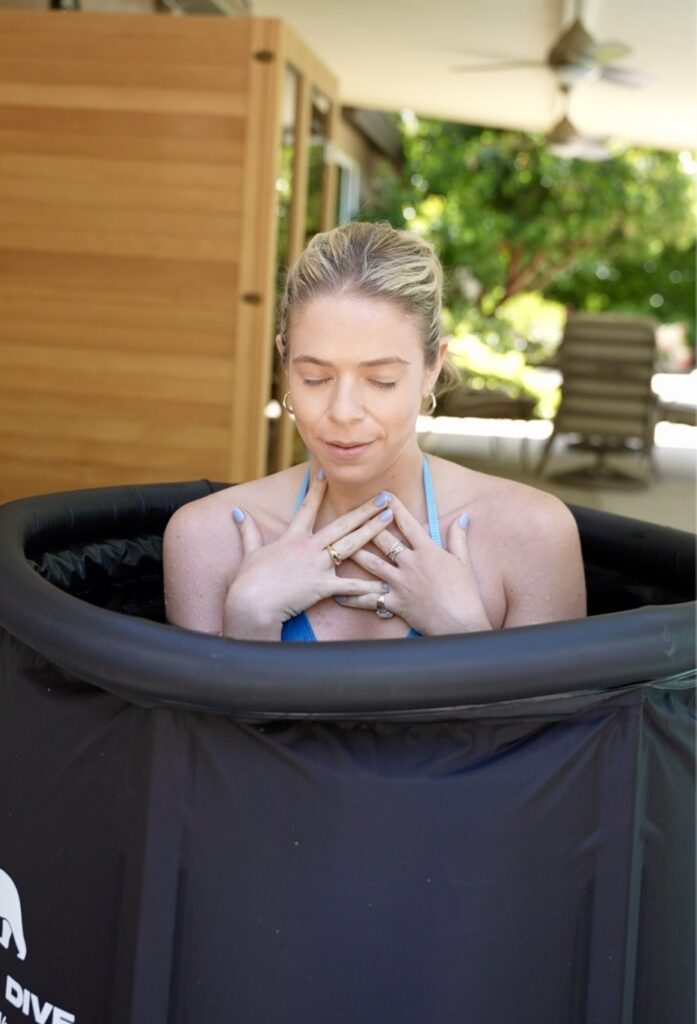
Cold plunge hydrotherapy involves brief immersion in cold water, typically maintained between 50 and 59 degrees Fahrenheit, for 30 seconds to three minutes per session. Cold water immersion activates the vagus nerve, the primary pathway of the parasympathetic nervous system, and produces a cascade of physiological responses including norepinephrine release, anti-inflammatory signaling, cardiovascular stimulation, and endorphin production. Cold exposure has been used therapeutically across athletic recovery, pain management, depression treatment, immune support, and nervous system regulation.
Highlands in Bloom uses the Pod Company Long Pod Ice Bath, a full-length cold plunge vessel designed for complete body immersion and consistent temperature maintenance. The Long Pod allows clients to fully submerge for an optimal cold exposure experience and is available during the dedicated one-hour daily modality block, where it is frequently combined with hot tub hydrotherapy as part of a contrast therapy protocol that supports cardiovascular, nervous system, and inflammatory regulation simultaneously.
Cold Plunge and Nervous System Regulation
The vagus nerve activation produced by cold water immersion is one of the most powerful and rapid physiological tools available for shifting the autonomic nervous system from sympathetic activation toward parasympathetic regulation. For clients managing anxiety, PTSD, burnout, and the chronic sympathetic dysregulation associated with trauma and autoimmune disease, regular cold plunge practice trains the nervous system to regulate more effectively in response to stress, improving vagal tone and the capacity to shift between activation and rest. Research on cold water exposure and vagal tone demonstrates measurable improvements in heart rate variability, a primary measure of autonomic nervous system health, with consistent practice.
Cold Plunge and Autoimmune Conditions
Cold water immersion produces a robust anti-inflammatory response through the release of norepinephrine and the activation of anti-inflammatory signaling pathways that reduce circulating inflammatory cytokines including interleukin-6 and tumor necrosis factor-alpha. For clients managing autoimmune conditions with chronic inflammatory activity including lupus, rheumatoid arthritis, fibromyalgia, IBD, and psoriasis, regular cold plunge practice supports reduction of the systemic inflammatory burden that drives autoimmune disease activity. The norepinephrine released during cold exposure also suppresses the NF-kB inflammatory pathway, a central driver of autoimmune inflammation.
Cold Plunge at Highlands in Bloom
Every residential client at Highlands in Bloom receives a dedicated one-hour modality block each day to use as they see fit. The cold plunge is available during this block and is frequently combined with hot tub hydrotherapy as part of a contrast therapy protocol. Sessions are typically 30 seconds to three minutes and are well-suited to the one-hour block format, which provides enough time for a full contrast hydrotherapy sequence alongside other passive modalities.
FAQs
How cold is the cold plunge at Highlands in Bloom?
The cold plunge at Highlands in Bloom is maintained between 50 and 59 degrees Fahrenheit, consistent with therapeutic cold water immersion protocols used in clinical and research settings.
How long should a cold plunge session be?
Cold plunge sessions at Highlands in Bloom are typically 30 seconds to three minutes per session. Even brief exposures of 30 to 60 seconds produce significant vagus nerve activation and norepinephrine release. Clients build tolerance over the course of the residential stay.
Can cold plunge help with depression?
Research on cold water immersion and depression has demonstrated clinically meaningful reductions in depressive symptoms. The norepinephrine release produced by cold exposure has direct antidepressant effects, and the vagus nerve activation supports the parasympathetic regulation that is impaired in depression. At Highlands in Bloom, cold plunge is used as a physiological complement to clinical therapeutic work for clients managing depression.
Is cold plunge safe for everyone?
Cold plunge hydrotherapy is contraindicated for certain cardiac conditions and Raynaud’s phenomenon. All modality use at Highlands in Bloom is reviewed in the context of each client’s individual health history and treatment plan prior to participation.
Take the First Step
Highlands in Bloom accepts clients from across California and the United States. Our admissions team is available daily for a complimentary, confidential clinical consultation. Call us at (805) 892-6313 or visit highlandsinbloom.com/contact. We are in-network with Blue Shield of California and Aetna and accept most major PPO plans.