



Have you listened to your body lately?
Licensed Residential Treatment Center in California for Mental Health and Autoimmune Conditions
Whole-Person Residential Care for Adults Navigating Trauma, Overwhelm, and Chronic Illness
Agoura Hills, California
Welcome to Highlands In Bloom
Residential Treatment for Mental Health and Autoimmune Conditions
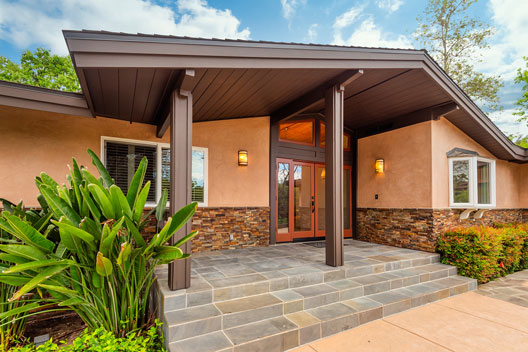
What Highlands in Bloom Actually is:
Highlands in Bloom is not a retreat, a spa, or a wellness weekend. We are one of the few licensed residential treatment centers in Agoura Hills, California, providing structured, clinically supervised care for adults navigating trauma, overwhelm, and chronic illness, whose mental and physical health have become impossible to separate. We treat anxiety, depression, PTSD, bipolar disorder, OCD, and ADHD, alongside autoimmune and stress-related physical conditions such as lupus, fibromyalgia, multiple sclerosis, Hashimoto’s thyroiditis, rheumatoid arthritis, and IBD, among others, not as parallel concerns but as the interconnected physiological and psychological conditions they are.
Clients often arrive experiencing burnout, addiction patterns, chronic stress, sleep disruption, and hopelessness, alongside hormonal imbalance and emotional overwhelm. Care is delivered through a combination of individual therapy, group sessions, medical and medication management support, and nutritional guidance, all coordinated under one roof. Our program is designed for a wide range of individuals, including professionals, executives, and those managing demanding responsibilities, as well as anyone navigating significant life stressors.
Our residential mental health treatment center provides the clinical intensity, daily structure, and protected time that outpatient therapy, Intensive Outpatient Programs (IOP), and Partial Hospitalization Programs (PHP) cannot offer. We welcome clients from across California and the United States who need a higher level of care than outpatient treatment alone can provide.
Is Highlands in Bloom Right for You?
The ideal Highlands in Bloom client has reached a point where life feels unmanageable, whether that’s after years of pushing through and achieving everything “right,” or after a long stretch of struggling just to keep up. Many arrive at our residential treatment center feeling stuck, directionless, and disconnected from themselves, often after months or years of unaddressed trauma, chronic illness, or the physical toll of prolonged stress.
Common symptoms include chronic exhaustion, sleep deprivation, hormonal imbalance, chronic pain, depression, hopelessness, and addiction patterns, alongside autoimmune flare-ups and the physical symptoms of trauma and PTSD. These aren’t just discomforts. They’re the language the body has learned to speak when mental and physical health have become impossible to separate. Our program helps clients understand and respond to these signals, addressing the root cause of their symptoms rather than managing them in isolation.
Why Choose Highlands in Bloom for Mental Health and Autoimmune Treatment
Most residential programs treat mental health. Most medical programs treat autoimmune disease. Highlands in Bloom treats both together, because for the clients we serve they have never been separate.
Our program is small by design, with a maximum of six residential clients at any time, ensuring that every person receives genuinely individualized clinical attention rather than a templated program. Every treatment plan is built from a comprehensive intake assessment, reviewed weekly, and adjusted continuously based on each client’s progress.
Our clinical approach is overseen by Stacy McNeal, PhD, LMFT and Dr. Meher Irani, and integrates evidence-based psychotherapies including CBT, DBT, ACT, and trauma-focused care alongside integrative modalities, anti-inflammatory whole-food nutrition, and continuous medical and psychiatric oversight. Treatment happens at the level of the mind, the nervous system, the immune system, and the body simultaneously.
We are licensed by CDSS, certified by DHCS, accredited by The Joint Commission, and in-network with Blue Shield of California and Aetna. Clients come to us from across the United States.

Stay Connected
Tours at HIB
- Scheduled Rotating Healing Gathering: The Body Speaks – 1st Monday Quarterly (AUG, NOV, FEB, MAY)
- Scheduled Lunch and Learn – 1st Monday Quarterly (AUG, NOV, FEB, MAY)
Newsletter
Every Thursday we share science-backed insights on mental health recovery, autoimmune wellness, nervous system regulation, and integrative treatment.
Weekly Blog
Beyond the Symptoms is Highlands in Bloom’s weekly blog covering mental health disorders, autoimmune conditions, trauma recovery, and holistic treatment approaches grounded in research and written for people ready to understand the whole picture.
Why Choose Highlands In Bloom?
The Core Philosophy: Process Over Promise
Healing is not something we “do to you.” It is a process you learn to lead for yourself. The 7-Step Framework is how we teach that process. Every step is grounded in our Founders personal experience, blending medical science, functional medicine, and real-life trial and error.

Step 1 - Body Awareness and Assessment
Understanding the physiological and psychological patterns driving your symptoms through comprehensive intake evaluation and mind-body assessment.

Step 2 - Integrative Mind-Body Treatment
Addressing the nervous system, immune system, and psychological patterns simultaneously through evidence-based clinical therapy, somatic work, and integrative modalities.

Step 3 - Individualized Clinical Planning
A fully individualized treatment plan developed by our multidisciplinary team, reviewed weekly, and adjusted continuously based on your progress and evolving clinical needs.

Step 4 - Adaptive Daily Practice
A structured residential schedule that embeds clinical therapy, modalities, anti-inflammatory nutrition, movement, and nervous system regulation into every day of the residential stay.

Step 5 - Community-Based Healing
Small-group residential living with a maximum of six clients, providing the relational depth, peer support, and shared therapeutic experience that individual treatment alone cannot replicate.

Step 6 - Contribution and Growth
Developing the capacity to support others in their healing as a meaningful dimension of one’s own recovery, building purpose, connection, and identity beyond illness.

Step 7 - Long-Term Maintenance Planning
A personalized discharge and aftercare plan that translates the practices, knowledge, and clinical gains of the residential stay into a sustainable daily self-management framework for life after Highlands in Bloom.

Our Offerings
Medical
Medical care at Highlands in Bloom is not a background function. It is a continuous, integrated clinical presence throughout every residential stay. Weekly one-on-one psychiatric sessions with Medical Director and Psychiatrist Dr. Meher Irani ensure that physical health, medication management, and mental health care are delivered as a unified whole rather than in parallel silos. For clients whose presentations benefit from additional functional medicine support, optional self-pay services including functional neurology, integrative compounding pharmacy, and functional chiropractic are available and coordinated through the clinical team.
Optional Self-Pay Services

Modalities
Alongside licensed clinical therapy, Highlands in Bloom offers a daily one-hour modality block available to every residential client. Far infrared sauna, BEMER PEMF, red light therapy, cold plunge, sound healing, trauma-informed yoga, somatic bodywork, EFT tapping, meditation, aromatherapy, music therapy, and more are integrated into each client’s schedule. These are not wellness add-ons. They are clinically selected tools for nervous system regulation, inflammation reduction, and whole-body recovery that address what talk therapy alone cannot reach.

Nutrition
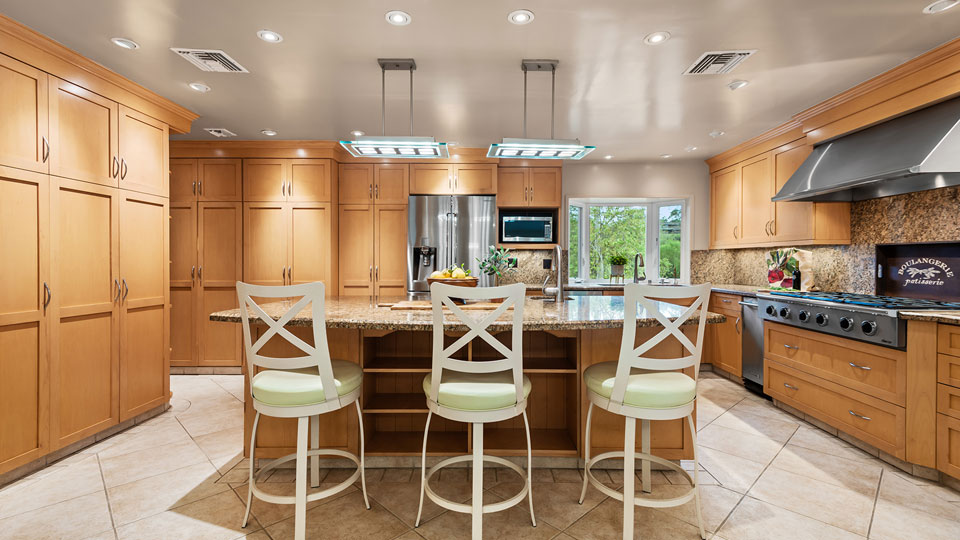
Nutrition at Highlands in Bloom is a clinical intervention, not an amenity. Our full-time onsite chef prepares fresh, whole-food, anti-inflammatory meals every day, intentionally built to deliver the micronutrients, anti-inflammatory compounds, and gut-supportive nourishment the body needs through food itself rather than supplementation. Ingredients come from our own onsite garden, the local farmers market, and everyday grocers, reflecting a practical approach to anti-inflammatory eating that clients can sustain at home. Every client receives a daily therapeutic smoothie, foods prepared in-house, and medicinal herbal tea woven throughout the day.
- Full-Time Chef
- Nutrition Education, Client’s Creation
- Herbal Supplements
- Medicinal Tea
- Meal Preparation


Facilities
Our Agoura Hills property is designed to be a therapeutic environment, not just a comfortable one. Private and semi-private suites with private bathrooms, a pool, hiking trails, an onsite garden, a library, arts and crafts space, and access to the natural landscape surrounding the property are all available to residential clients throughout their stay. With a maximum capacity of six clients, the residential environment at Highlands in Bloom is intimate, clinically purposeful, and never institutional. Removing clients from the triggers and demands of daily life and placing them in this contained, restorative setting is itself a meaningful clinical intervention.
- Private & Semi-Private Rooms with Bathrooms
- Pool for Exercise & Leisure
- Library of Books
- Hiking Trails
- Arts and Crafts
- Gardening

Transformative Clinical Programming
Our transformative clinical programming in Agoura Hills, California is designed to facilitate profound personal growth and healing, employing cutting-edge therapies and evidence-based practices to guide individuals on their journey towards holistic well-being


Tailored Nutrition for Lasting Results
Our meals are thoughtfully prepared using a whole food, vegetable forward approach that emphasizes nutrient dense, anti inflammatory ingredients. Each dish is designed to support physical recovery, mental clarity, and emotional well being, using fresh, seasonal foods to nourish the body, restore balance, and promote lasting vitality through intentional, healing nutrition.
We are Licensed & Accredited


California Department of Social Services (CDSS) Residential Facility License: #195850591
We Accept Most Insurance Providers






Highlands in Bloom is in-network with Blue Shield of California and Aetna and accepts most major PPO plans including UMR, Anthem Blue Cross Blue Shield, Cigna, Multiplan, Uprise Health, etc.
Highlands In Bloom: Healing is Believing
“At Highlands in Bloom, healing is not something that happens to you. It is something you learn to lead, and you leave with the tools to keep leading it for life.”
Our motto, ‘Healing is Believing,’ encapsulates our philosophy that the journey to wellness begins with belief in oneself, faith in the process, and trust in the transformative power of intentional living.
Testimonials

FAQs
What is Highlands in Bloom and who is it for?
Highlands in Bloom is a licensed residential treatment center in Agoura Hills, California, providing trauma-focused mental health treatment for individuals across the United States who are experiencing anxiety, depression, burnout, addiction patterns, chronic stress, and stress-related physical symptoms. Our program is designed for a wide range of clients, including high-functioning professionals, executives, and individuals managing demanding responsibilities, as well as those navigating life stressors, emotional overwhelm, hormonal imbalance, and autoimmune-related conditions. Many of our clients have spent years pushing through challenges while continuing to function in their daily lives, but are now seeking a more sustainable way to restore balance and well-being. At Highlands in Bloom, we offer structured, clinically driven residential care led by a doctorate-level Clinical Director with a strong focus on trauma processing and nervous system regulation. Through evidence-based therapies, somatic movement, and integrative support, our program helps clients stabilize, reset, and move forward with greater clarity, resilience, and long-term stability. If you’re exploring whether a residential treatment center is the right next step, our admissions team can help you better understand how our program fits your specific needs.
Why do people seek treatment at Highlands in Bloom?
People seek treatment at Highlands in Bloom when they reach a point where stress, mental health challenges, or physical symptoms are no longer manageable with their current coping strategies. Many of our clients have spent years pushing through demanding careers, family responsibilities, or personal struggles without fully addressing the underlying impact on their well-being. This often presents as burnout, high-functioning anxiety, depression, emotional numbness, addiction patterns, or a persistent sense of feeling stuck or disconnected despite outward success. In many cases, these challenges are also accompanied by chronic fatigue, hormonal imbalance, inflammation, digestive issues, or other stress-related physical symptoms, including those associated with autoimmune or chronic health conditions. For high-performing professionals in particular, it is common to maintain productivity while internally experiencing increasing levels of exhaustion and dysregulation. At Highlands in Bloom, our trauma-focused residential treatment program is designed to address the root causes of these patterns particularly nervous system dysregulation and unresolved trauma through structured clinical care, evidence-based therapies, and integrative support. If you’ve been managing symptoms for years but feel that your current approach is no longer sustainable, seeking a higher level of care can provide the reset and support needed for meaningful, lasting change.
Can chronic stress and unresolved trauma affect physical health?
Yes. Chronic stress and unresolved trauma can have a significant impact on both mental and physical health, particularly through their effect on the nervous system. When the body remains in a prolonged state of stress, it can disrupt immune function, hormonal balance, and inflammatory responses, which may contribute to symptoms such as fatigue, chronic pain, digestive issues, brain fog, and difficulty regulating mood or energy. Over time, this pattern of nervous system dysregulation can affect overall functioning and may also exacerbate symptoms associated with autoimmune and chronic health conditions. This is why trauma-focused care is an essential component of effective treatment, especially for individuals experiencing burnout, high-functioning anxiety, addiction patterns, or chronic stress-related symptoms. At Highlands in Bloom, our residential treatment program is designed to address these underlying patterns through evidence-based therapy, somatic movement, structured routines, and whole-body support, helping clients stabilize both emotionally and physically. If you’re exploring how stress and trauma may be impacting your health, you can learn more by connecting with our admissions team for additional support.
Do you treat both mental health and physical symptoms?
Highlands in Bloom provides licensed residential mental health treatment while also offering structured support for individuals experiencing stress-related physical symptoms. While we do not diagnose or medically treat physical conditions, many of our clients present with co-occurring challenges such as chronic fatigue, inflammation, digestive issues, hormonal imbalance, and autoimmune-related symptoms that are often influenced by prolonged stress and trauma. Our trauma-focused clinical program is designed to address the underlying nervous system dysregulation that can contribute to both emotional and physical distress. Through evidence-based therapies, somatic movement, structured daily routines, and anti-inflammatory nutrition, we help clients better manage these symptoms and improve overall functioning alongside their medical care. This integrated approach is particularly beneficial for high-functioning professionals and individuals navigating chronic stress or burnout, where mental and physical symptoms are often closely connected. If you’re exploring whether a residential treatment center can support both your mental health and stress-related physical concerns, our admissions team can help you better understand how our program may fit your needs.
Is Highlands in Bloom a clinical program or a wellness retreat?
Highlands in Bloom is a licensed, clinically driven residential treatment center, not a wellness retreat. Our program is designed to provide structured, trauma-focused mental health treatment for individuals experiencing anxiety, depression, burnout, addiction patterns, and stress-related physical symptoms. Clinical care is led by a doctorate-level Clinical Director specializing in trauma processing, with programming that includes evidence-based therapies such as CBT, DBT, EMDR, and somatic approaches. While we do incorporate complementary wellness practices including daily somatic movement, whole food vegetable forward nutrition, and nervous system regulation these are intentionally integrated to support and enhance clinical outcomes, not replace them. This distinction is especially important for high-functioning professionals and individuals managing chronic stress or autoimmune-related symptoms, as effective treatment requires addressing the underlying psychological and physiological drivers of these conditions. If you’re exploring options and want to understand the difference between clinical residential treatment and wellness-based programs, you can learn more through our residential treatment overview or connect with our admissions team for guidance on the most appropriate level of care.
What types of issues do your clients struggle with?
Clients at Highlands in Bloom often present with a range of mental health and stress-related challenges that impact both their emotional and physical well-being. We work with individuals experiencing anxiety, depression, trauma-related conditions, and high-functioning anxiety, as well as those navigating burnout, chronic stress, addiction patterns, and emotional exhaustion. Many of our clients are high-functioning professionals including executives, entrepreneurs, and individuals in demanding careers who continue to manage responsibilities while internally feeling overwhelmed, disconnected, or depleted. In addition to mental health concerns, we also support individuals experiencing hormonal imbalance and stress-related physical symptoms, including those associated with autoimmune and chronic health conditions such as fatigue, inflammation, and digestive issues. It is common for clients to feel “stuck” or out of alignment despite doing everything right, which often reflects underlying nervous system dysregulation and unresolved trauma rather than a lack of motivation or capability. Through our trauma-focused residential treatment program, we help clients address the root causes of these challenges and develop more sustainable ways of functioning. If you’re unsure whether your experience fits within these areas, our admissions team can help you better understand your symptoms and determine the most appropriate level of care.
Do you work with high-functioning individuals who are still managing responsibilities?
Yes. Highlands in Bloom specializes in working with high-functioning professionals, including executives, entrepreneurs, and individuals in demanding careers who are still managing responsibilities but recognize that their current way of coping is no longer sustainable. Many of our clients continue to perform at a high level in their work or personal lives while internally experiencing burnout, high-functioning anxiety, chronic stress, emotional exhaustion, or difficulty maintaining balance. Residential treatment provides a structured environment where individuals can step away from daily pressures and address the underlying factors such as trauma, nervous system dysregulation, and prolonged stress that often drive these patterns. This level of care is particularly beneficial for professionals who have been pushing through symptoms for years and are now experiencing decreased energy, reduced clarity, or stress-related physical symptoms, including fatigue and inflammation. At Highlands in Bloom, our trauma-focused clinical program is designed to help high-performing individuals stabilize, reset, and return to their lives with more sustainable performance, improved emotional regulation, and greater overall well-being. If you’re unsure whether residential treatment is appropriate while still functioning in your daily life, our admissions team can help you explore your options and determine the right level of care.
What does a typical day in your program look like?
A typical day in a residential treatment center like Highlands in Bloom is intentionally structured to support both clinical progress and nervous system regulation, which are essential for long-term healing. Each day includes a combination of individual therapy, group therapy, and evidence-based clinical programming, along with 1.5 hours of daily somatic movement, a core component of our program designed to help regulate the body and process stress and trauma. Clients also receive whole-food, vegetable forward meals that support energy, gut health, and overall well-being, particularly for individuals experiencing chronic stress or autoimmune-related symptoms. Throughout the day, there is dedicated time for reflection, integration, and rest, allowing clients to fully absorb the work being done in therapy. This structured yet supportive routine is especially beneficial for individuals navigating anxiety, depression, burnout, addiction patterns, and stress-related physical symptoms, as it creates consistency and stability that is often difficult to maintain in everyday life. If you’d like to better understand how this daily structure supports recovery, you can learn more about our residential treatment program and clinical approach by connecting with our admissions team for additional details.
Do you accept insurance?
Yes. Highlands in Bloom accepts a wide range of private PPO insurance plans for residential mental health treatment, helping make high-quality, trauma-focused care more accessible for individuals across the United States seeking a residential treatment center for anxiety, trauma, burnout, and related conditions. We work with both in-network and out-of-network PPO benefits, including partnerships with providers such as Blue Shield of California and Aetna, while actively expanding additional in-network contracts. Our admissions team manages the insurance verification process from start to finish, communicating directly with your provider to help maximize reimbursement and reduce out-of-pocket costs whenever possible. We regularly work with out-of-network PPO plans and advocate on your behalf to ensure you receive the highest level of benefits available under your policy. For individuals without applicable coverage, we also offer flexible cash pay options and customized payment plans to meet your needs. Insurance coverage for residential treatment is typically based on medical necessity and may apply to conditions such as anxiety, depression, trauma and PTSD, burnout, obsessive-compulsive disorder (OCD), bipolar disorder, ADHD, and substance use or addiction patterns. At Highlands in Bloom, we also support individuals experiencing co-occurring physical symptoms, including those related to autoimmune and chronic health conditions such as fibromyalgia, rheumatoid arthritis, lupus, inflammatory bowel disease (IBD), thyroid disorders, and chronic fatigue; while we do not provide medical treatment for these conditions, our trauma-focused clinical approach, structured environment, nervous system regulation, and anti-inflammatory nutrition help clients better manage stress-related symptom exacerbation and improve daily functioning alongside their medical care. Our team advocates for you throughout the entire process verifying benefits, explaining coverage, assisting with authorizations, and guiding you every step of the way so you can focus on healing rather than navigating insurance complexities. If you’re exploring whether residential treatment is the right next step, you can learn more about our program and approach through our “Residential Treatment” page or contact our admissions team for a confidential consultation. Ultimately, our goal is to remove financial barriers so individuals seeking residential treatment for trauma, anxiety, depression, burnout, addiction patterns, and co-occurring conditions including autoimmune and chronic health challenges which can access comprehensive, integrative care without unnecessary delay.
How long do clients typically stay?
The length of stay in a residential treatment center varies based on each individual’s clinical needs, history, and treatment goals; however, most clients at Highlands in Bloom participate in residential mental health treatment for approximately 30 to 90 days to allow for meaningful and sustainable progress. This timeframe is considered a standard range for residential treatment programs, as it provides enough structure and consistency to begin stabilizing the nervous system, process underlying trauma, and develop healthier coping patterns. For individuals experiencing anxiety, depression, burnout, addiction patterns, or chronic stress-related symptoms including those impacting physical health such as fatigue or inflammation a longer, structured stay often leads to more effective outcomes than short-term or intermittent care. Treatment length may be adjusted based on progress, level of support needed, and recommendations from the clinical team, which is led by a doctorate-level Clinical Director specializing in trauma-focused care. If you are unsure how long you may need, our admissions team can provide guidance based on your specific situation and help determine whether a 30-, 60-, or 90-day residential treatment program is the most appropriate starting point.
Does Highlands in Bloom accept Cigna insurance?
Yes. Highlands in Bloom accepts out-of-network PPO benefits from Cigna for residential mental health treatment. Cigna PPO plans typically include meaningful out-of-network coverage for licensed residential programs when medical necessity is documented. Our admissions team verifies Cigna benefits at no cost and can explain your specific coverage before you make any decisions. Call (805) 892-6313 for complimentary verification.
Does Highlands in Bloom accept UMR insurance?
Yes. Highlands in Bloom works with clients whose coverage is administered by UMR, which is a third-party administrator for self-funded employer health plans commonly held by corporate employees. UMR plan benefits vary by employer plan design and our admissions team will verify your specific plan benefits at no cost or obligation. Call (805) 892-6313to verify your UMR benefits.
Does Highlands in Bloom accept Optum insurance?
Yes. Highlands in Bloom accepts out-of-network benefits from Optum-administered plans which include UnitedHealthcare, UMR, and many large employer plans. Our admissions team is experienced in verifying Optum plan benefits and navigating the authorization process. Call (805) 892-6313 to verify your Optum benefits.
Does Highlands in Bloom accept Anthem Blue Cross Blue Shield insurance?
Yes. Highlands in Bloom accepts out-of-network PPO benefits from Anthem Blue Cross Blue Shield for residential mental health treatment. Anthem PPO plans frequently include meaningful out-of-network coverage for licensed residential treatment centers when medical necessity is documented and clinical criteria are met. Our admissions team has experience working with Anthem behavioral health departments and can verify your specific out-of-network benefits, explain your deductible and out-of-pocket maximum, and provide a clear estimate of your expected costs before you make any decisions. Insurance verification is complimentary and carries no obligation. Call us at (805) 892-6313 or submit a verification request through our insurance page.
Can I use FMLA leave for residential mental health treatment at Highlands in Bloom?
Yes. Residential mental health treatment at a licensed treatment center qualifies as a serious health condition under the Family and Medical Leave Act when the treating clinician certifies that the condition warrants the level of care. Eligible employees at companies with 50 or more employees may receive up to 12 weeks of unpaid, job-protected leave. You are not required to disclose your specific diagnosis to your employer. Our clinical team provides the necessary FMLA certification documentation and our admissions team guides clients and their HR departments through the process. Call (805) 892-6313 to discuss FMLA support with our admissions team.
How much does residential treatment at Highlands in Bloom cost with insurance?
Out-of-pocket costs depend entirely on your specific insurance plan, your deductible and out-of-pocket maximum, and how much of those amounts have already been met in the current plan year. Most PPO plans reimburse between 50 and 80 percent of covered residential mental health treatment costs after the out-of-network deductible is met, which for many clients makes the actual out-of-pocket cost significantly more manageable than they expected. Highlands in Bloom is in-network with Blue Shield of California and Aetna. For Cigna, UMR, Optum, Anthem, and other PPO plans, our admissions team conducts complimentary insurance verification and provides a clear, honest estimate of your expected costs before you make any decisions. Call (805) 892-6313 or contact us through our insurance verification page.