



Highlands in Bloom is a licensed residential treatment center in Agoura Hills, California. Our clinical program is developed and overseen by Clinical Program Director Stacy McNeal, PhD, LMFT and Medical Director and Psychiatrist Dr. Todd Hill. Educational sessions are integrated throughout the daily and weekly residential program at Highlands in Bloom, providing clients with the clinical knowledge, practical skills, and personal understanding they need to become active participants in their own recovery and to sustain the practices developed during treatment long after discharge.
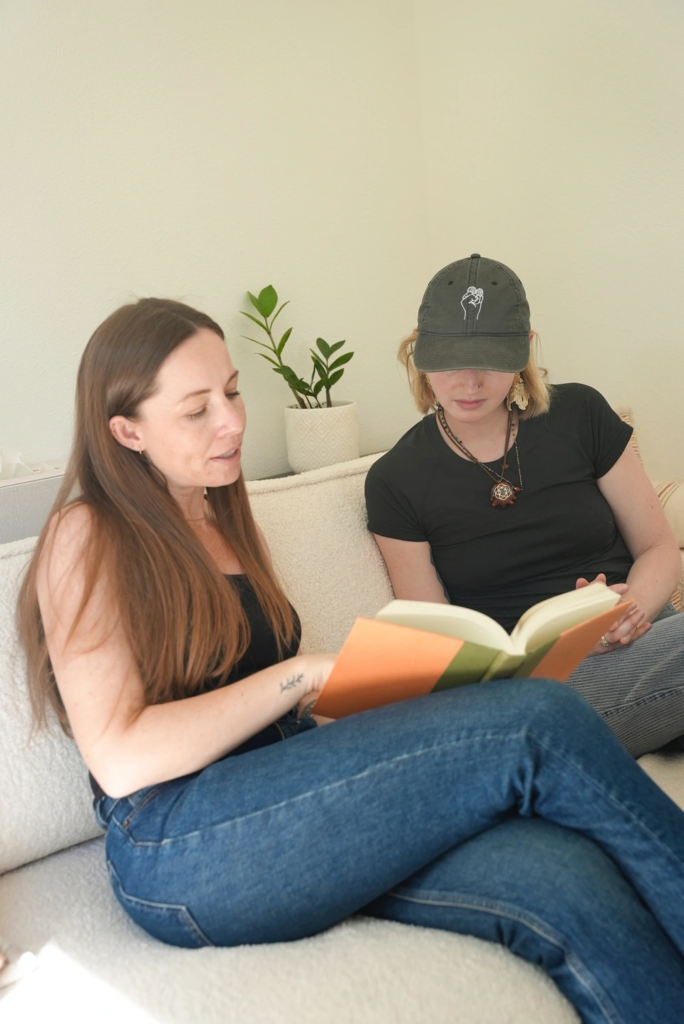
Why Education Is a Clinical Intervention at Highlands in Bloom
At Highlands in Bloom, education is not supplementary to clinical treatment. It is a clinical intervention in its own right. Clients who leave residential treatment with a clear understanding of why they have felt the way they have felt, what has driven their patterns, and what practical daily actions sustain their recovery are measurably more likely to maintain clinical gains after discharge than those who received treatment without this understanding. Education at Highlands in Bloom is organized around three core pillars that together build the clinical literacy and practical capacity clients need for lasting recovery.
The Three Pillars of Educational Sessions at Highlands in Bloom
Pillar 1 – Nutritional Education
Nutritional education at Highlands in Bloom goes beyond eating well during the residential stay. It is designed to give clients the clinical understanding and practical skills to sustain anti-inflammatory, whole-food eating independently in their daily lives after discharge. Nutritional education is not delivered as abstract theory. It is grounded in the actual food clients are eating throughout the residential stay, making every meal a tangible and practical demonstration of the principles being taught.
Nutritional education topics woven throughout the residential program include:
- The gut-brain axis and how gut health directly affects mood, cognition, immune regulation, and autoimmune disease activity
- The relationship between systemic inflammation and both mental health and autoimmune conditions and how diet directly modulates inflammatory activity
- How to read ingredient labels and make informed food choices at everyday grocery stores including Costco and Ralphs
- Anti-inflammatory foods and why specific ingredients appear consistently on the Highlands in Bloom menu
- The role of fermented foods in supporting gut microbiome diversity, neurotransmitter production, and immune regulation
- How blood sugar regulation affects mood, energy, cortisol, and stress resilience and how whole-food eating supports blood sugar stability
- The clinical rationale behind the whole-food, vegetable-forward approach practiced in the Highlands in Bloom kitchen every day
- How to continue anti-inflammatory eating at home using ingredients available at ordinary grocery stores after discharge
Pillar 2 – Client Creation Weekly Sessions
Every Wednesday dinner at Highlands in Bloom is a Client Creation meal in which clients actively participate in preparing their own food. These sessions are educational experiences as much as they are culinary ones, embedding practical nutritional skills into the lived experience of the residential week.
Client Creation sessions teach practical meal preparation skills including:
- Seasoning, and building anti-inflammatory meals from whole-food components
- How to shop seasonally and practically at everyday grocery stores on a realistic budget
- How to prepare fermented foods including the kimchi and pickles
- How to build a satisfying, nutritionally complete meal without relying on processed ingredients or complex techniques
- How to recreate the flavors and nutritional quality of the Highlands in Bloom kitchen in their own homes without a professional chef
Beyond the practical skills, Client Creation sessions are clinically intentional in a deeper way. Engaging with food preparation, making active choices about ingredients, and experiencing the connection between effort and nourishment builds self-efficacy and agency that are therapeutically meaningful for clients whose depression, burnout, or chronic illness has made even basic daily tasks feel overwhelming. For many clients, preparing a meal in a supported residential environment alongside peers is among the most concretely empowering experiences of the residential stay.
Pillar 3 – Psychoeducation
Psychoeducation is the structured clinical delivery of evidence-based information about mental health conditions, physiological mechanisms, and therapeutic approaches in a format that is accessible, practically relevant, and directly connected to each client’s lived experience. At Highlands in Bloom, psychoeducation is developed and delivered in coordination with the clinical team under the oversight of Clinical Program Director Stacy McNeal, PhD, LMFT and Medical Director and Psychiatrist Dr. Todd Hill.
Psychoeducation topics covered throughout the residential stay include:
- The mind-body connection and how psychological states affect physical health and immune function and vice versa
- The nervous system and autonomic regulation including the vagus nerve, HPA axis, and the physiological stress response
- Understanding autoimmune disease mechanisms and the role of chronic stress and trauma in disease activity and flare cycles
- The science of sleep and its role in mental health, immune regulation, cortisol rhythm, and recovery
- Evidence-based self-regulation tools including meditation and breathwork and why they work physiologically
- Understanding psychiatric medications, their mechanisms, and how to advocate effectively for oneself in medication management
- Recognizing personal triggers, early warning signs, and developing a personalized long-term wellness maintenance and relapse prevention plan
- The clinical rationale for residential treatment and how each component of the program addresses specific dimensions of the client’s presentation
Psychoeducation sessions are offered and are designed to be interactive and conversational rather than didactic. Clients are encouraged to ask questions, connect the clinical content to their own experience, and bring observations from the residential program into the educational discussion. The goal is active clinical literacy that clients own and carry beyond the residential stay as a lasting self-management foundation.
Educational Sessions and Autoimmune Conditions
For clients managing autoimmune conditions alongside mental health presentations, educational sessions address the specific intersection that defines the Highlands in Bloom clinical population. Understanding how chronic stress drives inflammatory activity, how trauma history elevates autoimmune disease risk, how the gut microbiome influences both immune regulation and mood, and how dietary and lifestyle patterns directly affect disease activity gives clients the clinical framework to make informed daily choices that support their autoimmune health after discharge. Many clients arrive at Highlands in Bloom having received extensive medical treatment for their autoimmune conditions without ever having the physiological mechanisms explained in accessible, practical terms. Educational sessions fill this gap.
FAQs
What topics are covered in educational sessions at Highlands in Bloom?
Educational sessions at Highlands in Bloom are organized around three core pillars: nutritional education covering the gut-brain axis, anti-inflammatory eating, and practical shopping and meal preparation skills; Client Creation weekly sessions on Wednesdays in which clients actively prepare their own meals and develop hands-on culinary self-management skills; and psychoeducation covering the mind-body connection, nervous system regulation, autoimmune mechanisms, sleep science, self-regulation tools, psychiatric medications, and personalized wellness planning.
What is the Client Creation meal at Highlands in Bloom?
Every Wednesday dinner is a Client Creation meal in which residential clients actively participate in preparing their own food under the guidance of our onsite chef. These sessions build practical culinary skills, nutritional knowledge, and the sense of agency and self-efficacy that support sustained healthy eating after discharge.
Who delivers educational and psychoeducation sessions at Highlands in Bloom?
Educational sessions are developed and delivered in coordination with the clinical team under the oversight of Clinical Program Director Stacy McNeal, PhD, LMFT and Medical Director and Psychiatrist Dr. Todd Hill. All content is clinically accurate, evidence-informed, and aligned with each client’s individualized treatment approach.
How do educational sessions support long-term recovery?
Clients who understand the mechanisms of their conditions, the evidence base for their treatments, and the practical self-management tools available to them are measurably better equipped to maintain clinical gains after discharge. Educational sessions, Client Creation cooking experiences, and psychoeducation together give clients the knowledge, skills, and practical confidence to sustain their recovery independently.
Can educational sessions help with autoimmune conditions?
Yes. Understanding the physiological mechanisms connecting chronic stress, trauma, gut health, and inflammatory disease activity gives clients with autoimmune conditions the clinical framework to make informed daily choices that directly support disease management after discharge. The nutritional education pillar is particularly relevant for clients whose autoimmune conditions are influenced by dietary patterns and gut health.
Do clients take anything home from educational sessions?
Yes. Clients leave Highlands in Bloom with the practical skills from Client Creation sessions to continue whole-food anti-inflammatory cooking at home using everyday grocery stores.
Take the First Step
Highlands in Bloom accepts clients from across California and the United States. Our admissions team is available daily for a complimentary, confidential clinical consultation. Call us at (805) 892-6313 or visit highlandsinbloom.com/contact. We are in-network with Blue Shield of California and Aetna and accept most major PPO plans.