



Highlands in Bloom is a licensed residential treatment center in Agoura Hills, California. Our clinical program is developed and overseen by Clinical Program Director Stacy McNeal, PhD, LMFT and Medical Director and Psychiatrist Dr. Todd Hill. Music therapy is an integrative modality woven throughout the residential program at Highlands in Bloom, using the creative, neurological, and emotional dimensions of music as a therapeutic tool for mental health recovery, nervous system regulation, and whole-person healing.
What Is Music Therapy?
Music therapy is a clinically established health profession in which a trained practitioner uses intentional music experiences to address the physical, emotional, cognitive, and social needs of individuals within a therapeutic framework. Music therapy is categorically distinct from passive music listening or recreational music-making. It involves the active and structured therapeutic use of music as a medium for clinical assessment, intervention, and the evaluation of clinical goals, delivered in a purposeful therapeutic relationship. Music therapy has a substantial evidence base and is practiced in hospitals, rehabilitation centers, mental health programs, and residential treatment facilities across the United States.
How Music Therapy Works
Music engages the brain in one of the most neurologically comprehensive ways available to any therapeutic modality. A single musical experience simultaneously activates motor, emotional, cognitive, sensory, language, and social neural networks, making music a uniquely powerful vehicle for therapeutic work across a range of presentations. Neurological entrainment allows rhythmic musical input to synchronize neural firing patterns, supporting regulation of emotional states and physiological arousal. Emotional processing through music provides a non-verbal and often less threatening pathway into emotional material that verbal therapy may not access directly. The social dimensions of shared musical experience support connection and trust. And the creative dimension of active music-making builds self-efficacy, self-expression, and a sense of agency that counteracts the helplessness associated with depression and chronic illness.
Music Therapy and Mental Health
Music therapy has a well-established clinical evidence base across mental health conditions including depression, anxiety, PTSD, ADHD, bipolar disorder, and burnout. For clients managing depression, active music-making provides an accessible entry point into emotional engagement when withdrawal and anhedonia make other forms of therapeutic engagement difficult. The dopamine release activated by musical anticipation and resolution provides a direct counter to the reward system dysregulation of depression. For clients managing anxiety and hyperarousal, the rhythmic and harmonic structure of music provides a reliable nervous system regulation pathway. Research documents significant reductions in heart rate, blood pressure, cortisol, and self-reported anxiety following music therapy interventions. For clients managing PTSD, music therapy provides a non-verbal processing modality that can access and begin to integrate traumatic material without the verbal recounting demands that can be retraumatizing in early trauma treatment.
Music Therapy and Autoimmune Conditions
Music therapy’s effects on nervous system regulation, cortisol reduction, and the stress response are directly relevant to autoimmune condition management. Chronic psychological stress and HPA axis dysregulation drive autoimmune inflammatory activity in conditions including lupus, rheumatoid arthritis, fibromyalgia, IBD, MS, and Hashimoto’s thyroiditis. Music therapy produces measurable reductions in cortisol and sympathetic nervous system activation that directly reduce the inflammatory burden associated with sustained stress. Research on music therapy in chronic illness populations has documented improvements in pain perception, fatigue, quality of life, and emotional wellbeing that are clinically meaningful for clients managing autoimmune conditions alongside mental health presentations.
Music Therapy at Highlands in Bloom
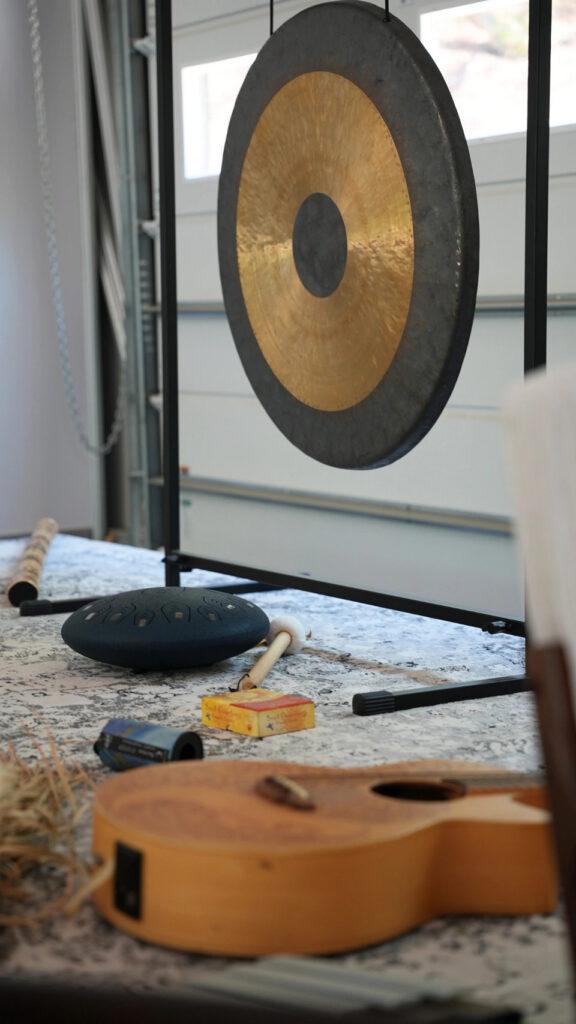
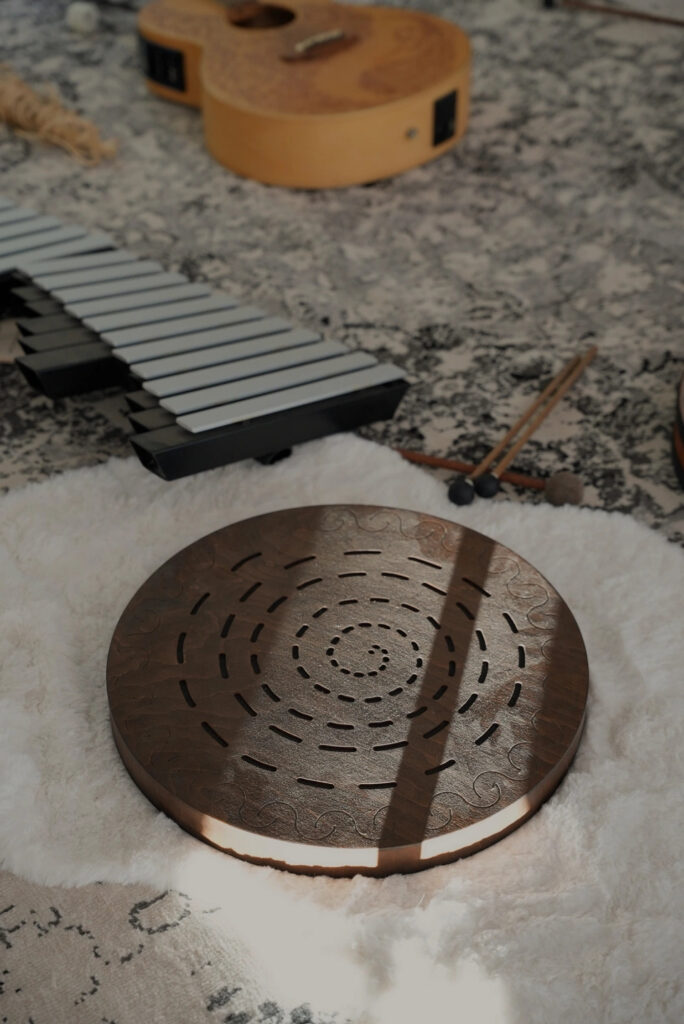
Music therapy sessions at Highlands in Bloom are facilitated by trained practitioners and integrated into the residential program in both individual and group formats. Sessions may involve receptive music experiences including guided listening and music-assisted relaxation and imagery, active music-making including percussion, improvisation, and collaborative musical creation, or music and verbal processing that uses musical engagement as a vehicle for accessing and integrating emotional and psychological material. No musical experience or instrument-playing ability is required. The therapeutic value of music therapy lies in its use as a clinical medium rather than in musical performance, and sessions are accessible and clinically meaningful for clients with no prior musical background.
FAQs
Do I need to know how to play an instrument for music therapy?
No. Music therapy at Highlands in Bloom is fully accessible to clients with no musical background or instrument-playing experience. The therapeutic value lies in the use of music as a clinical medium for emotional processing, nervous system regulation, and creative self-expression, not in musical performance or technical skill.
How is music therapy different from listening to music?
Music therapy involves the structured and intentional use of music experiences in a therapeutic relationship to address specific clinical goals. Passive music listening can support relaxation and mood, but music therapy goes further in using music as a vehicle for clinical assessment, targeted intervention, and evaluation of clinical progress within a therapeutic framework.
Can music therapy help with PTSD?
Yes. Music therapy provides a non-verbal processing modality for trauma that allows clients to access and begin to integrate traumatic material without the verbal recounting demands that can be retraumatizing in early trauma treatment. It is particularly valuable for clients whose trauma presentations make direct verbal processing difficult or overwhelming.
How does music therapy support autoimmune conditions?
Music therapy produces measurable reductions in cortisol, heart rate, and sympathetic nervous system activation that directly reduce the inflammatory burden associated with chronic stress. For clients managing autoimmune conditions where chronic psychological stress drives inflammatory flares, music therapy provides a reliable and accessible nervous system regulation tool with direct clinical relevance to disease management.
Is music therapy included in the residential program at Highlands in Bloom?
Yes. Music therapy is a standard integrative modality included in the residential treatment program at Highlands in Bloom, available to all residential clients as part of the program alongside clinical programming, CAM modalities, and nutritional support.
Take the First Step
Highlands in Bloom accepts clients from across California and the United States. Our admissions team is available daily for a complimentary, confidential clinical consultation. Call us at (805) 892-6313 or visit highlandsinbloom.com/contact. We are in-network with Blue Shield of California and Aetna and accept most major PPO plans.
Related Pages