



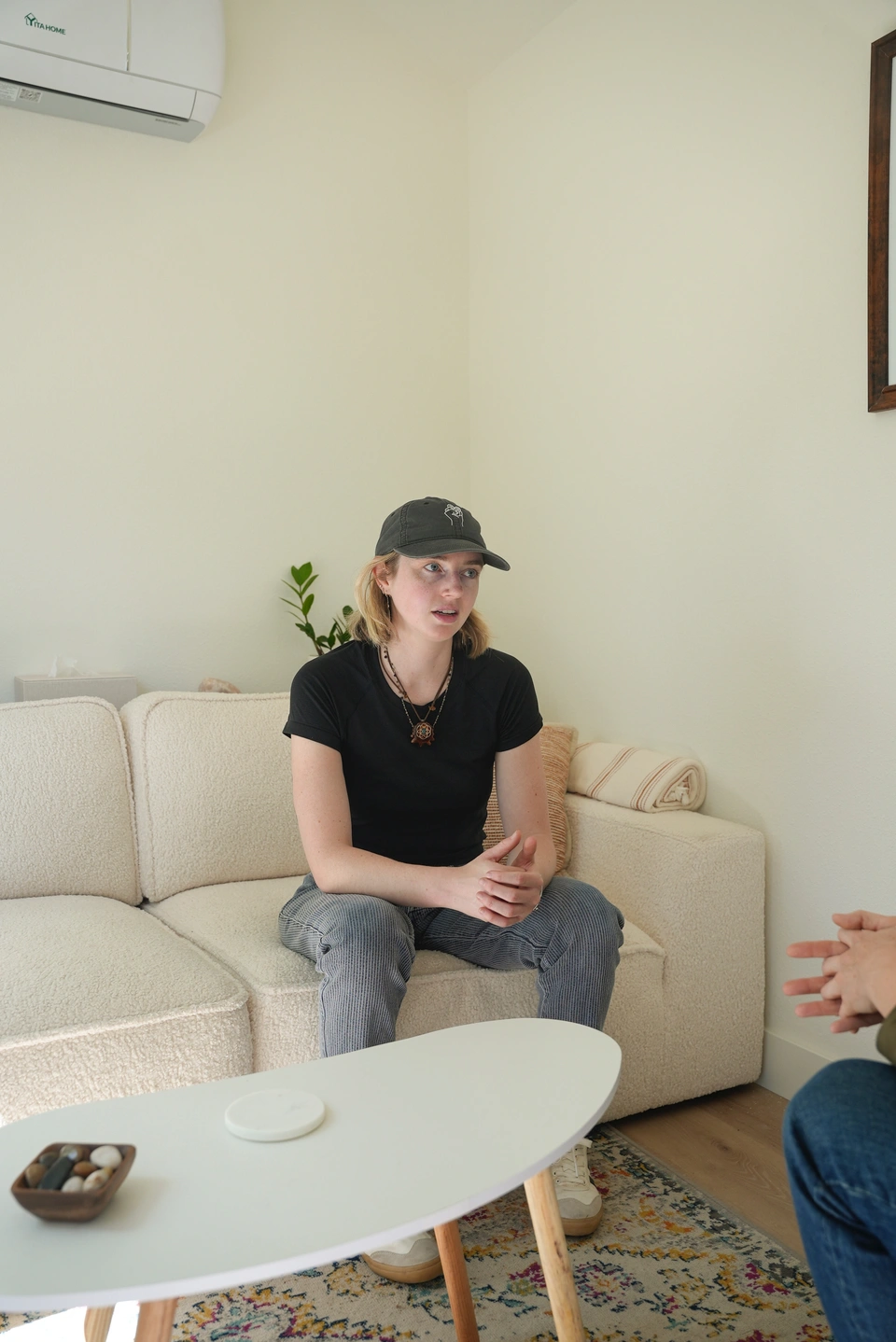
PTSD residential treatment in California gives trauma survivors something that outpatient care rarely provides: the time, safety, and daily clinical immersion needed to process what the nervous system has been unable to release on its own. At Highlands in Bloom (HiB), both post-traumatic stress disorder and complex trauma receive focused clinical attention within an integrated, trauma-informed residential program. Many clients arrive having tried therapy before, sometimes for years, without finding lasting relief. As a result, they come seeking a level of care that matches the depth of what they carry. This post explains what PTSD and complex trauma are, how they manifest in high-functioning adults, and how residential treatment approaches healing at the level of the nervous system.
What Is PTSD and Complex Trauma?
Post-Traumatic Stress Disorder
Post-traumatic stress disorder develops when the nervous system cannot fully process a traumatic event and return to baseline. Rather than integrating the experience into memory, the nervous system remains partially activated, responding to reminders of the trauma as if the threat were still present. As a result, symptoms include intrusive memories or flashbacks, hypervigilance, emotional numbing, avoidance of reminders, and disrupted sleep.
Complex Trauma
Complex trauma, sometimes called C-PTSD, results from prolonged or repeated traumatic experiences rather than a single incident. Common sources include childhood neglect or abuse, relational trauma, and the accumulated cost of high-pressure environments requiring sustained emotional suppression. Furthermore, complex trauma often presents without a clear identifiable event, which can lead people to minimize its significance or fail to recognize it as trauma at all.
How Trauma Shows Up in High-Functioning Adults
Trauma Without a Visible Story
Many high-functioning adults arrive at treatment without identifying themselves as trauma survivors. Their history may not include a dramatic single event. Instead, they carry years of emotional suppression, boundary violations, and high-stakes performance demands. The nervous system, however, registers all of this as threat regardless of how the conscious mind categorizes it.
Common Presentations
Trauma in high-functioning adults commonly presents as chronic hypervigilance, difficulty trusting others, and emotional numbing. In addition, persistent fatigue, a pervasive sense of being unsafe, and physical symptoms including gut issues and immune dysregulation are frequent. These clients often describe feeling like they are always waiting for something to go wrong, even in objectively safe situations.
Why Trauma Requires More Than Talk Therapy
Trauma Is Stored in the Body
Research from clinicians including Dr. Bessel van der Kolk has demonstrated that trauma is not stored primarily as a narrative memory. Rather, it is stored in the body as a physiological state. Muscle tension, shallow breathing, hyperarousal, and dissociation are all ways the nervous system holds unresolved trauma. Talking about what happened can build understanding, but it does not always discharge the physiological imprint.
The Limits of Weekly Outpatient Sessions
Trauma processing requires safety, consistency, and clinical intensity. A 50-minute weekly session, however, rarely provides enough of any of these. Between sessions, the nervous system continues to operate in its habitual state. As a result, progress made in session can be undone by returning to the same triggering environment. Residential treatment changes this equation entirely.
How Highlands in Bloom Treats PTSD and Complex Trauma
EMDR
Eye Movement Desensitization and Reprocessing is one of the most evidence-supported treatments for PTSD available. Specifically, EMDR uses bilateral stimulation to support the brain in reprocessing traumatic memories so they are integrated into normal memory rather than stored as active threat responses. At Highlands in Bloom, furthermore, EMDR is delivered by trained clinicians within the broader context of somatic and nervous system work.
Somatic Experiencing and Nervous System Regulation
Somatic experiencing guides clients to track bodily sensations and gradually discharge the survival energy stored in the nervous system. This approach, developed by Dr. Peter Levine, addresses the physiological dimension of trauma that narrative-focused therapy cannot reach alone. In addition, daily somatic movement and breathwork reinforce this work throughout the residential stay.
Individual and Group Therapy
Individual therapy provides the relational safety and clinical depth that trauma processing requires. Group therapy, in turn, builds co-regulation skills and helps clients recognize that their experiences are not unique. Both formats are incorporated into the daily structure of the residential program. As a result, the combination produces a level of clinical immersion that weekly outpatient care cannot replicate.
Insurance Coverage for PTSD Treatment
Coverage for Trauma-Related Conditions
PPO insurance plans typically cover residential mental health treatment for PTSD and trauma-related conditions when medical necessity criteria are met. Specifically, Highlands in Bloom is in-network with Blue Shield of California and Aetna. Furthermore, clients with other PPO carriers may access coverage through out-of-network benefits.
The Admissions Process
The admissions team verifies benefits at no cost and handles prior authorization from the outset. As a result, financial clarity comes before any commitment to care. Learn more at highlandsinbloom.com/insurance/.
Take the Next Step
If you or someone you love is living with PTSD, complex trauma, or unresolved trauma symptoms that have not responded to outpatient treatment, residential mental health treatment in California may be the right next step. The admissions team at Highlands in Bloom offers confidential consultations and will verify your insurance benefits at no cost.
Call (805) 892-6313 or request a consultation at highlandsinbloom.com/contact/. In addition, learn more about all mental health conditions we treat at highlandsinbloom.com/what-we-treat/mental-health-disorders/.
The information in this post is for educational purposes only and does not constitute medical advice. Please consult a qualified mental health professional for guidance specific to your situation.
Highlands in Bloom
Residential Treatment Center for Autoimmune + Mental Health
Agoura Hills, California
(805) 892-6313
Highlands in Bloom holds a California Department of Health Care Services (DHCS) Mental Health Program Certification (#MHBT250527), a California Department of Social Services (CDSS) license (#195850591), and is accredited by The Joint Commission (HCO ID: 738662).